

Losing Belly Fat: if you eat healthily, exercise four or five times a week, and even take the right supplements, why the hell do you always have a four-pack instead of eight? Well, you are not alone; For most men, belly fat is the number one public enemy. While you may already have a decent shape in your upper body and arms, burning off the last bit of fat requires a distinct set of strategies. Your torso.
Follow our guide to kickstart your exercise and diet routine and melt that stubborn belly fat for good. You’re probably closer to getting an eight-pack than you think. Switch from Bodybuilding to Strength Training
If you’re still employing body-part splits, add more strength-training exercises targeting multiple muscle groups at once, such as squats, deadlifts, barbell rows, and presses. First, you’ll burn more calories than before as you put more considerable stress on your muscular system. Second, once you’ve completed your workout, you’ll have a higher metabolic effect.
Because brutal strength exercises exert a massive stimulation on your hormonal system, you’ll also see an increase in testosterone levels. It’ll help you achieve a six-pack because there’s mounting evidence that the unpleasant layer of fat around your stomach is linked to low testosterone levels.
Table of Contents
Understanding Belly Fat: Types and Why It’s Stubborn
Not all belly fat is the same. There are two primary types:
- Subcutaneous fat: Lies under the skin; softer and less metabolically harmful
- Visceral fat: Surrounds internal organs; strongly linked to metabolic diseases
Visceral fat is particularly dangerous because it contributes to:
- Insulin resistance
- Chronic inflammation
- Hormonal imbalance (cortisol, insulin, testosterone)
This is why belly fat is often the last to go—your body defends it as an energy reserve due to evolutionary survival mechanisms.
The Role of Hormones in Belly Fat Storage
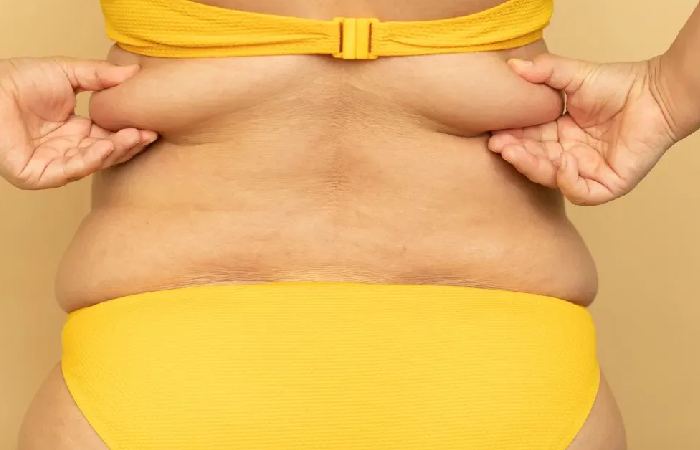
Fat loss is not purely calorie-based; hormonal regulation plays a critical role:
Insulin
- High insulin = increased fat storage
- Constant snacking keeps insulin elevated
Cortisol (Stress Hormone)
- Chronic stress leads to abdominal fat accumulation
- Poor sleep increases cortisol significantly
Testosterone (Men)
- Lower levels are linked to higher belly fat
- Strength training helps improve levels naturally
Leptin & Ghrelin
- Control hunger and satiety
- Poor diet and sleep disrupt these hormones
Nutrition Strategies Beyond Basic Dieting
Protein Intake Optimization
- Recommended: 1.6–2.2g per kg body weight
- Helps preserve muscle mass and increase satiety
Fiber-Rich Foods
- Soluble fiber slows digestion and reduces belly fat
- Examples: oats, flaxseeds, legumes, vegetables
Healthy Fats
- Omega-3 fatty acids reduce inflammation
- Sources: fish, walnuts, chia seeds
Hidden Sugar Reduction
- Liquid calories (juices, sodas) are major culprits
- Fructose is directly linked to visceral fat buildup
Core Workout and Diet Strategies to Lose Belly Fat
Eat Carbs on Workout Days Only
Carbs are great for fat loss. Seriously. They provide the fuel your body requires to assault your muscles with large weights in the gym; without them, you’ll become weak and exhausted. You’ll ensure that your body exclusively employs those macronutrients for muscle growth, healing, and fuel storage in the form of muscle by consuming carbs on workout days only. And liver glycogen.
Carbs also help you lose weight by increasing leptin levels, which decline when you maintain a calorie deficit to combat the feeling of hunger. Unfortunately, it halts your fat loss and keeps that final bit of belly fat on your body. You can re-elevate your leptin and restart fat loss by eating carbs during a diet (also known as “refeeds”).
Walk, Don’t Run
You’ll need to undertake some cardio if you want to speed up your fat loss. Running burns calories and exhausts your fast-twitch muscle fibers, lowering your strength and power production. But if you watch most guys at the gym, they’re hurting their progress because they run too much. You won’t lift as much weight as before, and your healing will be harmed in between workouts.
Instead, take a quick stroll up an incline (around three mph). By targeting the fatigue-resistant slow-twitch muscle fibers, you’ll save the fast-twitch muscle fibers. You’ll also offer your body a fantastic recovery workout by keeping your heart rate between 130 and 140 beats per minute, which will help you remove waste, enhance your aerobic capacity, and, of course, burn fat.
Switch to BCAAs
Branched-chain amino acids are a big way to get the benefits of protein shakes without the calories. They’ll also help you lose weight faster and keep muscle amid calorie restriction; according to research published in the International Journal of Sports Medicine, BCAAs helped competitive wrestlers lose 17 pounds. percent body fat while retaining a “high degree of performance.”
Drink BCAAs pre-and post-workout for more energy to burn during your training session and a quick switch from a catabolic (muscle-burning) to anabolic state (muscle-building) after you leave the gym. (NIH)
Drink More Water

Drinking more water is an easy way to increase your fat loss. The Journal of Clinical Endocrinology and Metabolism found that drinking two cups of cold water increased metabolism by 30 percent within 30 to 40 minutes of use.
Start with a tall glass of water when you wake up—your body is already dehydrated from not drinking liquids for more than eight hours. Even just a 1% loss of your body weight in water will hurt your physical performance. Additionally, as your body’s activities slow down to preserve fluids, your fat loss will come to a halt.
Intermittent Fasting
Many diets focus on what you eat, but intermittent fasting is about when you eat.
Intermittent fasting only eats for a certain amount of time. Fasting a certain number of hours a day or only having one meal a few days a week can help your body Lose Belly Fat. And scientific evidence points to some health benefits too.
Reduce Your Alcohol Consumption
If the earlier suggestions still don’t work, take a good, hard look at your after-hour habits. Most alcoholic beverages are fat gainers and sleep (and recovery) killers due to their high-calorie content and low nutritional value.
Your muscle recovery. It is still feasible to lose belly fat if you use alcohol regularly, but it will be more difficult. Instead, limit your alcohol usage to two drinks per week—this will allow you to go out and have a good time without gaining too much weight or interfering with your health.
High-Impact Training Methods for Belly Fat Loss
High-Intensity Interval Training (HIIT)
- Short bursts of intense effort followed by recovery
- Burns more fat in less time compared to steady cardio
Example:
- 30 sec sprint + 60 sec walk (repeat 10–15 rounds)
Resistance Training Frequency
- Minimum: 3–4 sessions/week
- Focus: compound lifts + progressive overload
Core Training Myth
- Spot reduction is ineffective
- Core exercises strengthen muscles but don’t directly burn belly fat
NEAT: The Overlooked Fat Loss Factor
Non-Exercise Activity Thermogenesis (NEAT) includes:
- Walking
- Standing
- Daily movement
Increasing NEAT can burn 300–800 extra calories/day without structured workouts.
Sleep and Recovery: A Critical Missing Piece
- Less than 6 hours of sleep increases fat storage
- Sleep deprivation:
- Raises cortisol
- Increases hunger hormones
- Reduces fat-burning efficiency
Optimal sleep: 7–9 hours/night (Cleveland Clinic)
Supplements That May Support Belly Fat Loss
Whey Protein
- Helps meet protein requirements
- Cost (India): ₹1,500–₹3,500 per kg
Green Tea Extract
- Contains catechins that boost metabolism
- Cost: ₹300–₹800 per bottle
Caffeine
- Improves fat oxidation and workout performance
- Found in coffee/pre-workouts
Omega-3 Supplements
- Reduce inflammation and improve fat metabolism
- Cost: ₹500–₹1,500/month
BCAAs (as mentioned in your content)
- Useful mainly during fasting or calorie deficits
Diet Plans and Their Practical Costs (India Context)
| Diet Type | Monthly Cost (Approx) | Notes |
| High-protein diet | ₹4,000–₹8,000 | Includes eggs, chicken, dairy |
| Intermittent fasting | ₹2,500–₹6,000 | Lower food frequency |
| Keto diet | ₹6,000–₹12,000 | Expensive due to fats & meats |
| Balanced Indian diet | ₹3,000–₹5,000 | Sustainable long-term |
Lifestyle Habits That Accelerate Fat Loss
- Morning sunlight exposure: Regulates circadian rhythm
- Cold exposure (optional): May slightly increase calorie burn
- Mindful eating: Reduces overeating
- Meal timing consistency: Stabilizes metabolism
