

Table of Contents
Chiropractor Help With Hormonal Migraines
Chiropractor Help With Hormonal Migraines: Migraines are a severe type of headache that can become chronic. Various factors can cause them, including changes in the weather, lack of sleep, stress and worry, previous neck and head traumas, muscular stiffness or tension, and hormonal imbalance. Migraines are severe headaches distinguish by a distinct form of pain that arises at the back of the head or behind the eyes on one side of the skull. Other migraine symptoms include nausea and vomiting, dizziness, light sensitivity, and vision problems, in addition to the pain.
Women are more affected by migraines than males. Hormonal imbalances that cause migraines are most common in pregnant women, those going through menopause, and those using oral contraceptives and undergoing hormone replacement therapy treatment (HRT). Other external sources of hormones, such as birth control pills, cosmetics, and BPA, and pesticides, herbicides, and plastics, mimic hormones and exacerbate the situation.
Symptoms Of Migraine
The most common symptom of migraines is a severe headache. However, there are several additional symptoms to look out for, such as:
- Photophobia is a type of pain that affects one or both sides of your head (sensitivity to light)
- Other visual abnormalities, such as blurry vision
- The pain is pulsing or throbbing in nature.
- Feeling dizzy and on the verge of breaking out
- Intolerance to smell, taste, or touch
- Partial paralysis or loss of motor function in more severe cases (such as with hemiplegic migraine)
Chiropractor Help With Hormonal Migraines Pain Relief
Long-term medication is the most prevalent form of treatment for migraines caused by hormone imbalances. Still, its efficacy is questioned because it does not fix the condition despite is reduce pain in the near term. Medications hide the symptoms and do not address the underlying issue that causes toxicity and hormonal imbalance.
For long-term relief from migraines, you should seek chiropractic treatment, which addresses the root of the problem and eliminates trigger points, resulting in more beneficial outcomes.
Comparison: Chiropractic vs Conventional Migraine Treatment
| Aspect | Chiropractic Care | Conventional Medication |
| Approach | Holistic, structural | Symptom-based |
| Side Effects | Minimal | Moderate to high |
| Long-term Relief | Possible | Limited |
| Cost Over Time | Moderate | Can be high (chronic use) |
| Root Cause Treatment | Yes (structural) | No |
Looking Past The Signs And Symptoms
The beauty of chiropractic treatment is that it takes a comprehensive approach to treatment and tackles the problem’s fundamental cause, ensuring that the issue is permanently resolved. The treatment begins by assisting patients in coping with their symptoms and then gradually reduces the frequency of migraine attacks. Chiropractic care takes a holistic approach, combining procedures including chiropractic adjustments, posture retraining. Internal balance maintenance, and muscular enhancement to provide much-needed long-term pain relief. (WHO)
Types of Hormonal Migraines and Their Characteristics
| Type of Migraine | Trigger Phase | Key Characteristics | Duration | Common Severity |
| Menstrual Migraine | 2 days before to 3 days after menstruation | No aura, intense throbbing pain | 1–3 days | High |
| Menstrually Related Migraine | Around menstruation + other times | May include aura, variable intensity | 4–72 hours | Moderate to High |
| Pregnancy Migraine | First trimester | Often improves in later stages | Variable | Mild to Moderate |
| Perimenopause Migraine | Irregular hormone fluctuations | Increased frequency, unpredictable | Variable | High |
| Post-Menopause Migraine | Hormonal stabilization | Reduced frequency but may persist | Shorter duration | Mild |
Common Migraine Triggers vs Hormonal Influence
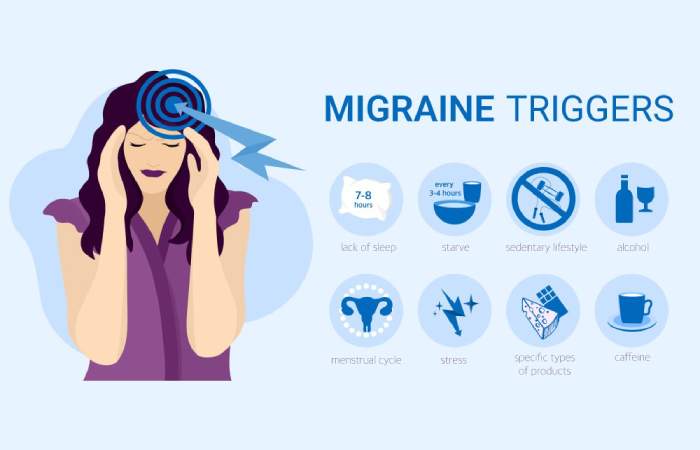
| Trigger Type | Examples | Hormonal Connection | Chiropractic Relevance |
| Hormonal | Estrogen drop, menstrual cycle | Direct trigger | Indirect management |
| Environmental | Weather changes, bright lights | Minimal | Moderate (stress response) |
| Lifestyle | Sleep deprivation, diet | Indirect | High |
| Physical | Neck strain, posture | None | Direct |
| Chemical | BPA, pesticides | Mimics estrogen | Indirect |
Chiropractic Techniques and Their Specific Benefits
| Technique | Method Used | Target Area | Benefit for Migraines |
| Spinal Manipulation | Manual adjustment | Cervical spine | Reduces nerve irritation |
| Myofascial Release | Soft tissue pressure | Neck & shoulders | Relieves muscle tension |
| Trigger Point Therapy | Focused pressure | Muscle knots | Decreases referred pain |
| Postural Training | Guided correction | Whole body | Prevents recurrence |
| Mobilization | Gentle joint movement | Spine joints | Improves flexibility |
Hormonal Migraine Symptoms vs General Migraine Symptoms
| Symptom | Hormonal Migraine | General Migraine |
| Timing | Predictable (cycle-based) | Random |
| Aura | Less common | More common |
| Severity | Often more intense | Variable |
| Duration | Longer | Moderate |
| Medication Response | Less responsive | More responsive |
Nutritional Support for Hormonal Migraines
| Nutrient | Recommended Intake | Function | Food Sources |
| Magnesium | 300–400 mg/day | Reduces nerve excitability | Nuts, seeds, spinach |
| Vitamin B2 | 200–400 mg/day | Supports energy metabolism | Eggs, dairy, green vegetables |
| Omega-3 | 1–2 g/day | Anti-inflammatory | Fish, flaxseeds |
| Vitamin D | 1000–2000 IU/day | Hormonal balance | Sunlight, fortified foods |
| CoQ10 | 100–300 mg/day | Cellular energy | Meat, fish |
Cost Breakdown of Chiropractic Care (Detailed)
| Service Type | India (₹) | USA ($) | UK (£) | Notes |
| Initial Consultation | 500 – 2,000 | 80 – 150 | 40 – 80 | Includes assessment |
| Single Session | 800 – 3,500 | 50 – 200 | 30 – 80 | Standard adjustment |
| Monthly Package | 6,000 – 25,000 | 200 – 800 | 120 – 400 | Discounted plans |
| Advanced Therapy Add-ons | 1,000 – 5,000 | 20 – 100 | 15 – 60 | Includes soft tissue work |
Chiropractic Treatment Timeline for Hormonal Migraines
| Phase | Duration | Frequency | Expected Outcome |
| Acute Phase | 2–4 weeks | 2–3 sessions/week | Pain reduction |
| Corrective Phase | 4–8 weeks | 1–2 sessions/week | Improved alignment |
| Maintenance Phase | Ongoing | 1–2 sessions/month | Prevention |
Risk vs Benefit Analysis of Chiropractic Care
| Factor | Benefit | Risk Level | Notes |
| Pain Relief | High | Low | Effective for many patients |
| Drug-Free Treatment | High | None | No chemical side effects |
| Long-term Improvement | Moderate to High | Low | Depends on adherence |
| Side Effects | Minimal | Low | Temporary soreness |
| Serious Complications | Rare | Very Low | Requires trained professional |
Chiropractic vs Other Alternative Therapies

| Therapy | Approach | Effectiveness | Cost | Best For |
| Chiropractic | Structural correction | Moderate to High | Moderate | Neck-related migraines |
| Acupuncture | Energy balance | Moderate | Moderate | Stress-related migraines |
| Physiotherapy | Muscle rehab | High | Moderate | Postural issues |
| Ayurveda | Herbal balance | Variable | Low to Moderate | Hormonal balance |
| Yoga Therapy | Mind-body | Moderate | Low | Prevention |
Red Flags: When to Avoid Chiropractic Care
| Condition | Reason | Recommended Action |
| Severe osteoporosis | Risk of fractures | Avoid adjustments |
| Spinal tumors | Structural instability | Medical treatment first |
| Stroke history | Vascular risk | Specialist consultation |
| Acute injury | Inflammation | Delay treatment |
| Unknown diagnosis | Risk of mismanagement | Proper evaluation required |
Finding The Source Of The Problem
Chiropractor Help With Hormonal Migraines:: Traditional migraine drugs only provide a superficial cure because they merely treat the symptoms, leaving the risk of recurrence open. Taking pharmaceuticals for an extended period can result in various issues due to the meds’ side effects. Which is a drawback of traditional treatments. Chiropractic treatment is unique because it treats the disease at its source, preventing recurrence and providing long-term healing. Furthermore, chiropractic care consists of various physical procedures rather than medications, making it safe and free of adverse effects. (PubMed)
Chiropractors use their hands only to rectify the defects and distortions in the body’s musculoskeletal system. Which helps restore the body balance, which helps to maintain the proper levels of hormones used to treat migraines caused by hormonal imbalance.
The chiropractor will conduct a thorough examination of the patient to detect the migraine’s cause and then prepare a customized treatment plan that provides a cure, not temporary relief.

Afiya Jafar is a health, fitness and lifestyle writer at Health Fitness Champion. She creates reader-focused content covering everyday health, fitness, wellness, nutrition, beauty and healthy lifestyle topics.

Sameena Begum is a health, wellness and lifestyle content reviewer at Health Fitness Champion. She reviews selected content for clarity, organisation, consistency, readability and overall reader usefulness.

Dr. Syed Imtiaz is a qualified medical professional with MBBS and MD qualifications and 5+ years of experience in the medical field. He works as a General Physician and Dermatologist, with knowledge spanning general medicine and dermatological health.