
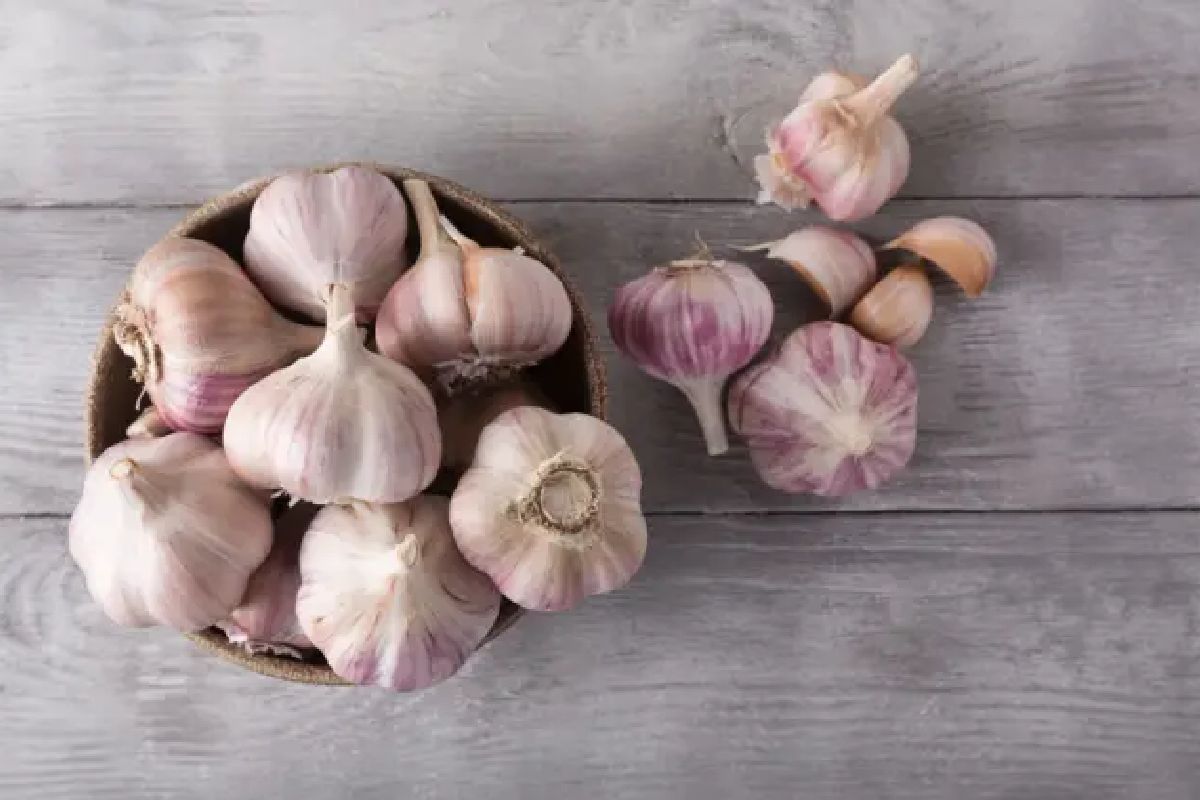
Garlic has been used since 2100 BC. Used as food by the Sumerians. The ancient Indians also used garlic for its delicious and medicinal properties. You will be surprised when garlic is offered as an offering to some gods in Greece. According to some historians, in ancient Greece, Olympic athletes consumed garlic well to improve their performance.
Table of Contents
What Is Garlic?
Garlic is a bulb-shaped plant made up of small segments called cloves. It has been used for thousands of years in ancient civilizations such as Egypt, China, and India for both food and medicine.
Health Benefits of Garlic
Garlic is one of the most powerful natural foods used in both cooking and traditional medicine. It has been valued for centuries in countries like India and systems such as Ayurveda for its healing properties. The active compound allicin gives garlic many of its health benefits.
Key Health Benefits
| Benefit | Explanation |
| Boosts Immunity | Garlic strengthens the immune system and helps fight infections like cold and flu. |
| Supports Heart Health | Helps reduce cholesterol, lower blood pressure, and improve blood circulation. |
| Controls Blood Sugar | May help regulate blood sugar levels, which is useful for people with diabetes. |
| Anti-inflammatory | Reduces inflammation and pain in the body. |
| Antioxidant Protection | Protects body cells from damage and slows aging. |
| Improves Digestion | Supports gut health and reduces bloating. |
| Detoxifies the Body | Helps remove toxins and supports liver function. |
| Weight Management | Boosts metabolism and supports fat burning. |
| Skin Health | Improves skin glow and helps fight acne and infections. |
| Hair Health | Strengthens hair roots and reduces hair fall. |
| Cancer Prevention Support | Some studies suggest garlic may help lower the risk of certain cancers. |
| Bone Health | Supports bone strength, especially in women. |
Did You Know Already
Garlic contains five of the six flavors mentioned in Ayurveda. Salt means by-product, sweet, bitter, and sour of these five garlic flavors with the most robust flavor. Garlic does not have the sour taste of one of the shadchan mentioned in Ayurveda.
Some Basic Facts About Garlic
- Botanical Name: Allium sativum
- Family: Allycées / Amaryalidaceae (Liliaceae)
- : garlic, Lehsun
- Sanskrit Name: Lasuna
- Ingredients Used: onions, young shoots (for cooking)
- Local area Common Named Geographical distribution: The Asian plant comes from the garlic plant. It is widely using in India, China, Egypt, Europe, Iran, and Mexico.
- Energy: causes heat
Key Bioactive Components
| Compound | Function |
| Allicin | Antibacterial, antifungal, antiviral |
| Diallyl disulfide (DADS) | Anti-inflammatory |
| S-allyl cysteine (SAC) | Antioxidant |
| Ajoene | Anti-thrombotic |
| Selenium | Immune system support |
| Flavonoids | Reduce oxidative stress |
Allicin has been shown to exhibit strong antimicrobial action against pathogens such as:
- Escherichia coli
- Salmonella spp.
- Staphylococcus aureus
- Candida albicans
Types Of Garlic
Garlic is a herbaceous plant that can reach a height of 1 m. It does not have a solid trunk but rather a stunted or “pitcher” trunk. It is an herbaceous plant with hollow stems (i.e., bark inside). Garlic in the shape of an onion grows underground. Usually, all bulbs also rise in the ground.
Narrow Necked Garlic:
This garlic has a stem in the middle (in the middle of the onion) around which the garlic flows. There are fewer currents in a single clove or bulb of garlic. Garlic thrives in frigid winters.
Meal Neck Garlic:
There is no stem in this garlic bulb. Each bulb of garlic has a large number of cloves (up to 20). It grows well in less cold winter conditions. It has a milder taste than hard-necked garlic.
Green Garlic And Garlic Stalks
When it comes to garlic, green garlic and cloves of garlic are using interchangeably. But there is a little variation between the two. Both green garlic and garlic are making from the same garlic plant. Both are using in the kitchen. However, they are extracting/collected from the garlic culture at different stages. Traditionally, green garlic is made up of small bulbs of garlic that have not yet developed. (verywellhealth)
Garlic stalks, on the other hand, are shoots or stems or stems of garlic plants. The branches are cut to cook in curries while the plant is still tender after the garlic is forming. It means that before the garlic ripens, the garlic stalks are cut into cloves and used in cooking. It is known that ripe garlic is only harvesting when the garlic bulbs burst.
Nutritional Information About Garlic
The Nutritional Value Of 100 Grams Of Raw Garlic Cloves Is As Follows
- Details: size
- Water: 58.6 g
- Carbohydrates: 33 g
- Dietary fiber: 2 g
- Protein: 6.4 g
- Calcium: 181 mg
- Energy per 100 grams: 149 kcal
Uses of Garlic
Garlic is widely used around the world for cooking, health, beauty, and traditional medicine. It has been an important part of daily life in countries like India and healing systems such as Ayurveda.
Main Uses of Garlic
| Area | Uses | Explanation |
| Cooking | Flavoring food | Garlic is used in curries, soups, sauces, chutneys, and pickles to enhance taste and aroma. |
| Traditional Medicine | Natural remedies | Used to treat cold, cough, infections, and digestive problems. |
| Health Supplements | Capsules and extracts | Garlic tablets help support heart health, immunity, and cholesterol control. |
| Weight Management | Fat metabolism | Helps boost metabolism and supports weight loss. |
| Skin Care | Acne and infections | Garlic is used in homemade masks and remedies for clear skin. |
| Hair Care | Hair growth | Used in oils and masks to reduce hair fall and strengthen roots. |
| Detox | Body cleansing | Helps remove toxins and supports liver function. |
| Heart Health | Blood pressure control | Used in diets to maintain healthy heart and circulation. |
| Immunity | Disease prevention | Strengthens the immune system and protects against illnesses. |
Garlic Supplement Forms Available in the Market
| Supplement Type | Description |
| Garlic Powder | Dehydrated crushed garlic |
| Garlic Oil | Extracted essential oil |
| Aged Garlic Extract | Fermented garlic preparation |
| Garlic Capsules | Standardized allicin content |
| Garlic Tablets | Odor-controlled supplements |
Garlic Price Analysis
| Garlic Type | Approx Price per Kg (INR) |
| Regular Garlic | ₹120 – ₹220 |
| Organic Garlic | ₹250 – ₹400 |
| Peeled Garlic | ₹300 – ₹500 |
| Garlic Powder (100g) | ₹60 – ₹120 |
| Garlic Capsules (60 tabs) | ₹250 – ₹600 |
| Aged Garlic Extract | ₹700 – ₹1500 |
Prices may vary depending on:
- Seasonal availability
- Geographic location
- Import/export conditions
- Organic certification
Sales Percentage of Garlic (2020–2026)
The garlic market in India has shown steady growth due to increasing health awareness, food processing demand, and export opportunities. India is the second-largest producer and consumer of garlic in the world.
Estimated Growth / Sales Trend Table in India
| Year | Estimated Sales Growth % | Key Market Reasons |
| 2020 | 3.5% | Pandemic increased demand for immunity foods |
| 2021 | 4.2% | Rising awareness of natural health products |
| 2022 | 4.8% | Increased household consumption |
| 2023 | 5.1% | Growth in food processing and packaged foods |
| 2024 | 5.4% | Expansion in organized retail and exports |
| 2025 | 5.7% | Demand for herbal and functional foods |
| 2026 | 6.0% | Modern farming and supply chain improvements |
The global garlic market is growing at around 4%–5% CAGR, and India’s growth is slightly higher due to strong domestic demand.
Sales Percentage of Garlic in the UK (2020–2026)
| Year | Sales Growth % | Key Reasons |
| 2020 | 8% | High home cooking during COVID lockdowns |
| 2021 | 6% | Continued cooking habits and health awareness |
| 2022 | 5% | Demand from restaurants reopening |
| 2023 | 4.5% | Stable demand in retail and food service |
| 2024 | 5.2% | Rising interest in immunity-boosting foods |
| 2025 | 5.8% | Growth in organic and fresh produce markets |
| 2026 | 6.3% | Increasing use in ready meals and global cuisine |
Sales Percentage of Garlic in London (2020–2026)
| Year | Sales Growth % | Key Reasons |
| 2020 | 9% | High home cooking and bulk buying during COVID lockdowns |
| 2021 | 7% | Continued demand for healthy and immunity foods |
| 2022 | 6% | Restaurant and food delivery growth |
| 2023 | 5.5% | Stable retail and global cuisine popularity |
| 2024 | 6.2% | Growth in organic and premium garlic |
| 2025 | 6.8% | Rising plant-based and vegan food demand |
| 2026 | 7.5% | Increasing use in ready meals and gourmet cooking |
Recommended Daily Intake of Garlic
| Age Group | Recommended Intake |
| Adults | 2–5 grams raw garlic |
| Children | 1–2 grams |
| Garlic Powder | 300–1000 mg |
| Garlic Extract | 600–1200 mg |
Excessive consumption may cause:
- Heartburn
- Bad breath
- Allergic reactions
- Digestive discomfort
How to Consume Garlic
Garlic is a powerful natural food that can be included in your daily routine in many simple ways. It has been used for centuries in countries like India and traditional systems such as Ayurveda for improving overall health and immunity.
Best Ways to Consume Garlic
- Eat 1–2 raw garlic cloves in the morning on an empty stomach.
- Crush or chop garlic and leave it for 5–10 minutes before eating to activate allicin.
- Add garlic to daily cooking such as curries, soups, and vegetables.
- Mix garlic with honey for cough and immunity.
- Drink garlic tea for cold and flu.
- Use garlic in salads, chutneys, and sauces.
- Take garlic supplements after consulting a doctor.
When to Consume
- Morning on an empty stomach for maximum health benefits.
- Before meals to improve digestion.
- During seasonal changes to boost immunity.
Tips for Safe Consumption
- Start with small amounts if you are new to eating raw garlic.
- Drink water after eating to reduce strong taste and odor.
- Avoid excessive intake to prevent stomach irritation.
- Do not consume if allergic or before surgery.
- Consult a doctor if you have medical conditions or take blood-thinning medicines.
Garlic in Traditional Medicine Systems
Garlic is widely used in:
- Ayurveda – for Vata and Kapha imbalance
- Traditional Chinese Medicine – for respiratory disorders
- Unani Medicine – for digestive ailments
In Ayurveda, garlic is considered beneficial for:
- Joint disorders
- Digestive weakness
- Respiratory problems
- Low immunity
Industrial and Commercial Uses of Garlic
Apart from culinary and medicinal uses, garlic is also used in:
- Pharmaceutical formulations
- Nutraceutical supplements
- Cosmetic products
- Pest repellents
- Animal feed additives
Why Garlic Is Popular
Garlic is one of the most widely used natural ingredients across the world. It is popular because of its strong flavor, health benefits, and traditional value. For centuries, it has been an important part of food and healing systems in countries like India and in practices such as Ayurveda.
Main Reasons for Garlic’s Popularity
| Reason | Explanation |
| Natural Health Benefits | Garlic supports immunity, heart health, digestion, and overall wellness. |
| Rich in Nutrients | Contains vitamins, minerals, antioxidants, and sulfur compounds. |
| Boosts Immunity | Helps protect against infections, cold, and flu. |
| Supports Heart Health | Helps control cholesterol and blood pressure. |
| Affordable and Accessible | Easily available in markets and kitchens worldwide. |
| Strong Flavor | Enhances the taste and aroma of many dishes. |
| Traditional and Modern Use | Used in both home remedies and modern supplements. |
| Multiple Uses | Used in cooking, medicine, skincare, and hair care. |
| Weight and Fitness Support | Helps metabolism and weight management. |
| Long Shelf Life | Can be stored for long periods without spoilage. |
Conclusion
Garlic is more than just a flavorful ingredient; it is a powerhouse of nutrition and medicinal benefits. From supporting heart health and immunity to aiding digestion and promoting healthy skin and hair, garlic’s bioactive compounds make it a valuable addition to daily life. Whether used in cooking, supplements, or traditional remedies, incorporating garlic can contribute to overall wellness.
