
India’s healthcare sector is on a digitalization drive, with government policies, rising patient load, and the need to manage massive volumes of medical data, necessitating modern digital systems. HMIS and LIMS, two essential systems, stand at the heart of this digital transformation.
When coupled together, the HMIS LIMS can be described as a vital force that augments the efficiency and effectiveness of healthcare operations. Below, we provide a comprehensive, research-based guide of HMIS LIMS to suit Indian healthcare services.
Table of Contents
What is HMIS?
An HMIS (Hospital Management Information system) is an integrated web-based information system used to manage and control all hospital related activities and departmental operations.
The major functionalities of HMIS include:
* Registration and appointment management
* Electronic Medical Records(EMR)
* Billing and invoicing
* Pharmacy management
* Inventory and supply chain management
* Staff and payroll management
* Insurance and claims
An HMIS serves as a bridge between different hospital departments and makes sure data travels between sections in a streamlined way.
What is LIMS?
LIMS (Laboratory Information Management system) is a computerised system that manages samples, tests, results, and reports to support and ensure quality in laboratories.
Core Features of LIMS
- Sample collection and tracking
- Test workflow automation
- Result validation and reporting
- Quality control and compliance
- Integration with lab instruments
- Data storage and analytics
It plays a critical role in diagnostic laboratories, pathology centers and hospital laboratories.
HMIS vs LIMS: Key Differences
| Feature | HMIS | LIMS |
| Scope | Entire hospital | Laboratory operations |
| Focus | Administrative + clinical workflows | Sample and test management |
| Users | Doctors, admin staff, nurses | Lab technicians, pathologists |
| Data Type | Patient records, billing | Test results, samples |
| Integration | Multi-departmental | Instrument and lab-focused |
Though both systems serve different purposes, the integration of HMIS and LIMS delivers the most effective solution.
What is HMIS LIMS Integration?
HMIS LIMS integration refers to the seamless connection between hospital systems and laboratory systems. This ensures real-time data sharing between departments.
How It Works
- Doctor orders a lab test in HMIS
- Order is automatically sent to LIMS
- Sample is processed in the lab
- Results are updated in LIMS
- Results are pushed back to HMIS
- Doctor accesses results instantly
This eliminates manual errors and reduces turnaround time.
Importance of HMIS LIMS in India
India’s healthcare system faces several challenges:
- High patient load
- Limited resources
- Data fragmentation
- Manual record-keeping
HMIS LIMS integration addresses these issues effectively.
Benefits of HMIS LIMS Integration
- Improved Patient Care
Doctors have quick access to lab reports in real-time thus facilitating rapid diagnosis and treatment.
- Reduced Errors
Human errors due to manual entry of data are minimized, especially in lab reporting.
- Faster Turnaround Time (TAT)
Lab results are processed instantly which results in an increase in efficiency.
- Better Data Management
Centralized system ensuring secure and organized medical records.
- Regulatory Compliance
Ensures compliance with NABH, NABL and Govt standards.
Features of a Modern HMIS LIMS System
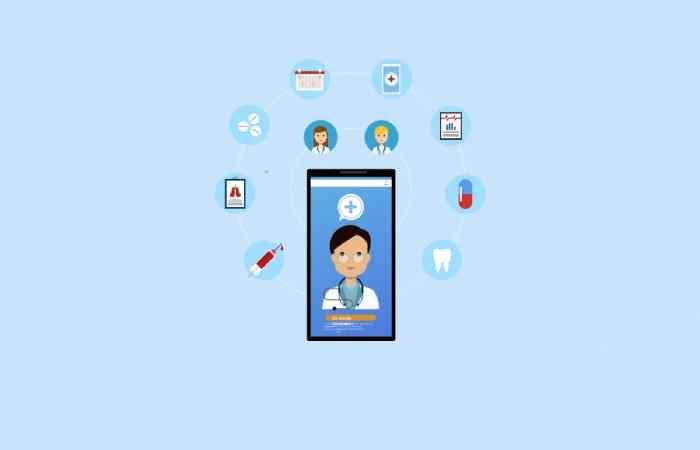
The features of an advanced HMIS LIMS solution consist of the following:
- Electronic Health Records (EHR)
These allow the physician to have easy access to patient’s record, from across different departments.
- Automated Lab Workflow
From sample collection to reporting, everything is automated.
- Real-Time Reporting
Instant updates on lab results and patient status.
- Integration Capabilities
Integration with:
- Lab instruments
- Pharmacy systems
- Insurance platforms
- Data Analytics
Enables hospitals to analyze the patterns in the diseases occurring and understand operational efficiency trends.
- Cloud-Based Access
Modern HMIS LIMS are designed to be available over the internet and through any remote location.
Workflow in HMIS LIMS system in the hospital
Below is a simplified workflow:
| Step | Process |
| 1 | Patient registration in HMIS |
| 2 | Doctor consultation |
| 3 | Lab test ordered |
| 4 | Order sent to LIMS |
| 5 | Sample collection |
| 6 | Testing and analysis |
| 7 | Result validation |
| 8 | Report sent to HMIS |
| 9 | Doctor reviews results |
A patient would flow through this cycle when availing any hospital services.
Top HMIS LIMS Software Providers in India
Here are some leading platforms used in India:
- eHospital (NIC)
- Government-backed solution
- Widely used in public hospitals
- Practo Ray
Practo Ray Software
- Cloud-based HMIS
- Suitable for clinics and hospitals
- MocDoc HMIS
MocDoc HMIS Platform
- NABH-compliant
- Strong integration features
- CrelioHealth LIMS
CrelioHealth LIMS
- Advanced lab automation
- Mobile-friendly interface
- CloudLIMS
CloudLIMS Software
- SaaS-based LIMS
- Scalable for large labs
Government Initiatives Supporting HMIS LIMS
The Digital healthcare initiatives that are being pushed forward by Indian Govt are:
Ayushman Bharat Digital Mission (ABDM)
Key objectives:
- Digital health IDs
- Interoperable health records
- Standardized healthcare data
HMIS LIMS is an important component for implementation.
Challenges faced during implementation
Implementation challenges of a HMIS LIMS are:
- High Initial Cost
Implementation of HMIS LIMS involves cost in terms of software, hardware, and training to the staff.
- Staff Training
The entire health care team should be well trained and educated about using the HMIS LIMS.
- Data Security Concerns
Safeguarding the sensitive patient data is very important for which robust security features are necessary.
- Integration Issues
Integration with the older systems might pose to be a challenge.
- Resistance to Change
Doctors, staff and nurses are often reluctant to shift from manual systems to digital HMIS LIMS systems.
Solutions to Overcome Challenges
- Opt for cloud-based solutions to reduce costs
- Provide regular staff training
- Use secure, encrypted systems
- Choose scalable and customizable platforms
- Implement in phases instead of full deployment
Future of HMIS LIMS in India
The future of HMIS LIMS is driven by emerging technologies:
- Artificial Intelligence (AI)
- Predictive diagnostics
- Automated reporting
- Big Data Analytics
- Disease trend analysis
- Public health insights
- Telemedicine Integration
- Remote consultations linked with lab data
- Mobile Health (mHealth)
- Patients accessing reports via mobile apps
- Blockchain Technology
- Secure and tamper-proof medical records
Advanced Use Cases of HMIS LIMS in India
Beyond basic hospital and lab operations, HMIS LIMS integration supports several advanced and high-impact healthcare use cases.
- Multi-Location Hospital Chains
Large hospital groups operating across cities in India benefit significantly from centralized HMIS LIMS systems.
Key Advantages:
- Unified patient records across branches
- Centralized lab data access
- Standardized workflows
- Real-time monitoring of all units
For example, a patient tested in Hyderabad can access reports instantly in Delhi.
- Diagnostic Chains and Reference Labs
Standalone diagnostic chains process thousands of samples daily. HMIS LIMS helps manage this scale efficiently.
Capabilities:
- Barcode-based sample tracking
- Automated report generation
- Bulk test processing
- Integration with collection centers
- Telemedicine and Remote Diagnostics
Telemedicine is an emerging trend in India and the HMIS LIMS plays a vital role.
Workflow:
- Patient consults doctor online
- Lab test is prescribed
- Sample collected at home
- Report uploaded to system
- Doctor reviews remotely
This model became especially important post-pandemic.
- Preventive Healthcare Programs
Corporate wellness programs and preventive health packages rely on HMIS LIMS.
Benefits:
- Bulk health check-up management
- Automated reporting dashboards
- Trend analysis of employee health
- Research and Clinical Trials
Hospitals involved in clinical research use LIMS extensively.
Use Cases:
- Sample lifecycle tracking
- Data integrity and compliance
- Audit trails for regulatory bodies
Step-by-Step Implementation of HMIS LIMS
Implementation of the HMIS LIMS solution is a structured process and requires a lot of planning.
1: Requirement Analysis
- Identify hospital size and needs
- Determine lab complexity
- Define integration scope
2: Vendor Selection
Choose a provider based on:
- Features
- Scalability
- Compliance standards
- Support services
3: Infrastructure Setup
- Cloud or on-premise deployment
- Hardware installation
- Network configuration
4: Data Migration
- Transfer existing patient records
- Validate and clean data
- Ensure data consistency
5: Integration
- Connect HMIS with LIMS
- Integrate lab instruments
- Link pharmacy and billing
6: Staff Training
- Conduct workshops
- Provide user manuals
- Offer ongoing support
7: Testing and Go-Live
- Run pilot tests
- Fix bugs
- Launch full system

Key Factors to Consider Before Choosing HMIS LIMS
Selecting the right system is critical for long-term success.
- Scalability
Ensure the system can grow with your hospital.
- Compliance
Check for:
- NABH compliance
- NABL standards
- Government regulations
- User Interface
System should be easy to use for medical staff.
- Integration Capability
Must integrate with:
- Lab devices
- Insurance systems
- Telemedicine platforms
- Data Security
Look for:
- Encryption
- Role-based access
- Secure backups
HMIS LIMS vs Traditional Systems
| Aspect | Traditional System | HMIS LIMS |
| Data Storage | Paper-based | Digital |
| Error Rate | High | Low |
| Accessibility | Limited | Anywhere |
| Speed | Slow | Fast |
| Reporting | Manual | Automated |
The shift to HMIS LIMS is not just an upgrade—it is a transformation.
Real-World Example (India)
A mid-sized hospital in India implemented HMIS LIMS and observed:
- 40% reduction in patient waiting time
- 60% faster lab report delivery
- 30% increase in operational efficiency
- Significant reduction in manual errors
This demonstrates the tangible benefits of digital healthcare systems.
Security and Compliance in HMIS LIMS
Healthcare data is highly sensitive, making security a top priority.
Essential Security Features:
- End-to-end encryption
- Multi-factor authentication
- Regular audits
- Backup and disaster recovery
Compliance Standards:
- HIPAA (for international compatibility)
- NABH guidelines
- Indian IT Act
SEO FAQs (High-Ranking)
What is HMIS LIMS?
HMIS LIMS denotes the integration between hospital management and laboratory systems for enhancing workflow efficiencies.
Why is HMIS LIMS beneficial for Indian healthcare?
HMIS LIMS optimizes efficiency and error reduction while also contributing to the digitization drive in healthcare.
Can HMIS LIMS be applied to small clinics?
Yes, thanks to cloud solutions it has become affordable and adaptable for clinics of all sizes.
What is the cost of HMIS LIMS in India?
A hospital management and lab information system in India ranges from Rs 50,000-10,00,000+ with varying features.
How does HMIS integrate with LIMS?
With the help of API and the instantaneous sharing of data.
Is HMIS LIMS secure?
Modern HMIS LIMS solution has State-of-art encryption, access control and NABL/NABH compliance.
Final Conclusion
HMIS LIMS represents the skeleton of the healthcare delivery sector in India. With increasing demands for hospital and diagnostic labs, the demand for advanced integrated systems is bound to rise.
From improving patient care to reducing costs, the benefits offered by HMIS LIMS are multidimensional at every aspect of the medical workflow. Implementation requires proper planning and an investment but it can truly pay off in the long run.
Every Indian healthcare provider, ranging from a small clinic to a full-fledged hospital chain should invest in HMIS LIMS solutions for better operational efficiency, accuracy, and patient satisfaction.
