

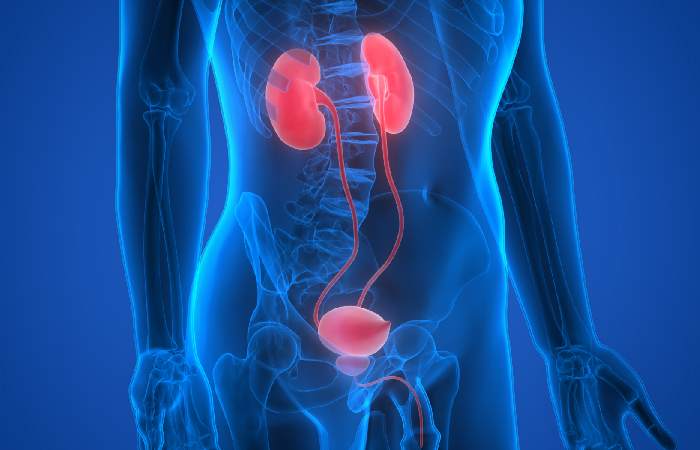
No one wants to visit a doctor, more so when it comes to consulting a urologist. Urology is a medical specialty that primarily deals with the urinary system that includes kidneys, bladder, ureters, urethra, prostate gland as well as the male reproductive health.
In short, a urologist is a healthcare professional who analyses, manages and supervises the disease of the urinary system and the external genital organs. In case you have some urological issues then you must visit the top urology hospital in Bangalore as soon as possible.
A urologist offers a great number of treatments. That is why you should consult with your urologists and get the most appropriate solution to yourself. Whereas some individuals respond well to surgical intervention, others respond better to drugs or therapies.
Some people may need a mix of two or three treatments. However, which would be the most suitable one for you cannot be determined simply by sitting at home and just thinking about your problem; you would need to step out and consult a urologist.
Table of Contents
Urologist Speciality
Here are nine common health problems that indicate that it’s time to visit a urologist.
Urinary difficulties
Some urinary difficulties arise due to problems in the urinary bladder, urethra, or prostate. Urinary difficulties include frequent urination during day or night time, difficulty in initiation of urine, poor urine stream, burning or pain while urinating, a sensation of incomplete voiding, or incontinence (which means loss of urinary control).
Stone disease
Kidney stones are notably marked by severe pain on one side of your lower back. Other symptoms may include blood in urine, nagging stomach pain, foul smell of urine, or urine that looks cloudy. Kidney stones sometimes also descend through the ureter, causing sharp shooting pain.
Urinary tract infection
If you are experiencing burning, pain, and frequent urination that does not improve with antibiotics given by your physician, you may have interstitial cystitis (IC). It is also known as the painful bladder. In such a condition, you need to see a urologist who will examine your bladder using a cystoscope for diagnosis.
Pain in the flanks or back
If you experience pain in the flanks or back, it can be due to several reasons like kidney infections, urinary stones, obstruction to urine outflow from the kidney, etc. If you are dealing with such pain, get yourself evaluated by a urologist.
Blood in urine
Blood in urine or hematuria is a condition you should never ignore. If your urine is red, pink, brownish-red or tea-coloured instead of pale yellow, it can be due to bladder infection, kidney stone, or kidney cancer.
Pain in the penis
A person can experience pain in the penis due to the inability to retract phimosis (foreskin), or it can be due to penile lesions or ulceration, or even if you are having pain while urinating or during erection, it is a clear indication to see a urologist.
Sexual dysfunction
It is an issue that denies you the pleasure in having sex because of bending penis, premature ejaculation, or painful ejaculation. Also, it may also lead to your failure to attain sexual intercourse or maintain the erection.
Male infertility
It is not only female infertility which makes it hard to conceive a child, but it could also be male infertility. You should visit a urologist in the best urology hospital in Bangalore and he will do certain tests such as hormone tests. Urinalysis after ejaculation, scrotal ultrasound, and sperm functional testing, and prescribe you the best appropriate treatment.
Testicular swelling or pain
This condition called Epididymitis. In this, an individual can have acute or chronic testicular pain because of the inflammation of a small and curled tube within the back of the testicle. It may even be an indication of testicular cancer or may be as a result of distended veins or of infection.
Subspecialties Within Urology
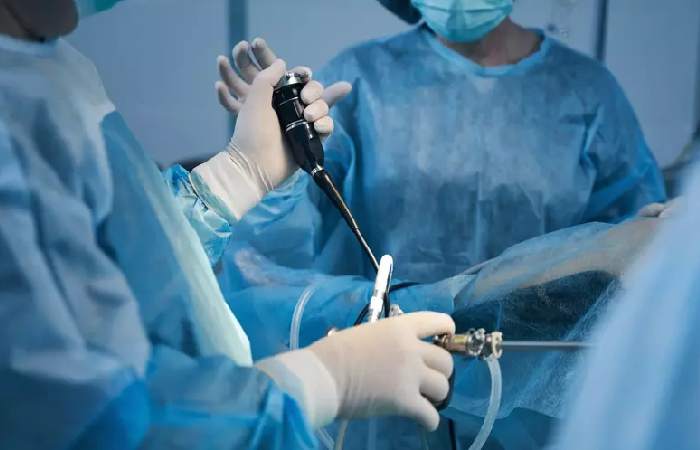
Urology is not a one dimensional field. It is further divided into many subspecialties each dealing with a specific organ system or group of patients:
Uro-oncology- Specializes in cancer of the urinary tract and kidney (bladder and prostate cancer).
Andrology- the research of reproductive male health including infertility and erectile dysfunction.
Female Urology -deals with urinary incontinence, pelvic floor, and bladder problems in women.
Pediatric Urology – Manages the conditions of the urinary tract of children that are both congenital and developmental.
Neurourology -Studies neural issues that lead to urinary issues.
Reconstructive Urology – It is a type of surgery whereby structures of the urinary tract are reconstructed.
Knowledge of subspecialties enables patients to determine the appropriate specialist in their condition.
Common Diagnostic Tests Performed by a Urologist
Before initiating treatment, urologists rely on a range of diagnostic tools:
- Laboratory Tests
- Urinalysis- identifies infections, blood or abnormalities.
- Urine culture -Determines bacterial infections.
- Blood tests- It includes kidney function tests (creatinine, urea) and PSA (Prostate-Specific Antigen)
- Imaging Tests
- Ultrasound (KUB scan) – Evaluates kidneys, ureters, and bladder
- CT scan – Highly effective for detecting kidney stones and tumors (Practo)
- MRI scan – Used for detailed imaging, especially in cancer cases
- X-ray (IVP) – Intravenous pyelogram to study urinary tract structure
- Specialized Procedures
- Cystoscopy – A thin tube with a camera is inserted into the bladder
- Urodynamic testing – Measures bladder function and urine flow
- Biopsy- Tissue sampling to identify cancer.
Advanced Treatments Offered by Urologists
Minimally invasive and robotic technologies have made drastic changes in urology.
- Medications
- Antibiotics for infections
- Prostate enlargement alpha-blockers
- Hormonal therapy for prostate cancer
- PDE5 inhibitors for erectile dysfunction
- Non-Surgical Treatments
- Lifestyle modifications (diet, hydration, bladder training)
- Pelvic floor therapy
- Shock wave therapy for kidney stones
- Minimally Invasive Procedures
- Laser lithotripsy – Breaks kidney stones using laser
- TURP (Transurethral Resection of Prostate) – For enlarged prostate
- Ureteroscopy – Removal of stones via ureter
- Surgical Procedures
- Nephrectomy – Removal of kidney
- Prostatectomy – Removal of prostate gland
- Bladder surgery – For tumors or severe conditions
- Vasectomy – Male sterilization procedure
- Robotic-Assisted Surgery
- Highly precise, less invasive
- Faster recovery time
- Common in prostate and kidney surgeries
Cost of Urological Treatments in India (Bangalore-Focused)
The prices are different in relation to hospital, technology, and severity of the condition. The overall estimate is as below:
| Procedure / Consultation | Approximate Cost (INR) |
| Urologist Consultation | ₹500 – ₹1,500 |
| Urine Test | ₹100 – ₹500 |
| Ultrasound (KUB) | ₹800 – ₹2,500 |
| CT Scan | ₹3,000 – ₹8,000 |
| Cystoscopy | ₹5,000 – ₹15,000 |
| Kidney Stone Treatment (Laser) | ₹40,000 – ₹1,20,000 |
| TURP Surgery | ₹70,000 – ₹2,00,000 |
| Prostate Cancer Surgery | ₹2,00,000 – ₹6,00,000 |
| Robotic Surgery | ₹3,00,000 – ₹8,00,000 |
Note: Prices depend on private vs government hospitals and complexity.
When Should You See a Urologist Immediately?
Certain symptoms require urgent consultation:
- Sudden inability to urinate
- Severe abdominal or flank pain
- Visible blood in urine
- High fever with urinary symptoms
- Testicular torsion (sudden severe pain and swelling)
Delay in these cases can lead to serious complications. (Mayo Clinic)
Preventive Urology: How to Maintain Urinary Health
Prevention reduces the need for invasive treatments:
- Drink adequate water (2–3 liters daily)
- Maintain proper hygiene
- Avoid holding urine for long periods
- Limit salt and oxalate-rich foods (for stone prevention)
- Practice safe sexual habits
- Regular screening for men above 50 (prostate health)
Differences Between Urologist and Nephrologist
Many people confuse these two specialties:
| Aspect | Urologist | Nephrologist |
| Focus | Surgical + medical | Medical only |
| Organs | Urinary tract + male reproductive system | Kidneys only |
| Procedures | Performs surgeries | No surgery |
| Conditions | Stones, prostate, cancer | Kidney failure, dialysis |
Role of Technology in Modern Urology
Technological advancements have significantly improved outcomes:
- AI-assisted imaging for early diagnosis
- Robotic surgery systems for precision
- Laser treatments for non-invasive stone removal
- Telemedicine for follow-ups and consultations
Psychological Impact of Urological Disorders
Urological conditions often affect mental health:
- Erectile dysfunction may lead to anxiety and depression
- Urinary incontinence can cause social embarrassment
- Chronic pain conditions affect quality of life
Hence, treatment plans often include psychological counseling.
Choosing the Right Urologist in Bangalore
When selecting a urologist, consider:
- Qualifications (MCh/DNB in Urology)
- Experience (years and specialization)
- Hospital infrastructure
- Availability of advanced technology
- Patient reviews and success rates
Top hospitals in Bangalore typically offer multidisciplinary urology departments with modern facilities.
Conclusion
A urologist is a very important doctor in diagnosing and treatment of a broad spectrum of diseases related to urinary and reproductive health. Although you already have the relevant information on the symptoms and when a patient should see a urologist, this addition makes sure you have the full picture, diagnostics, treatment, costs, and prevention.
The two sections will be combined to make a complete, user-friendly, and information-packed article that will fulfill informational and transactional search intent.
