
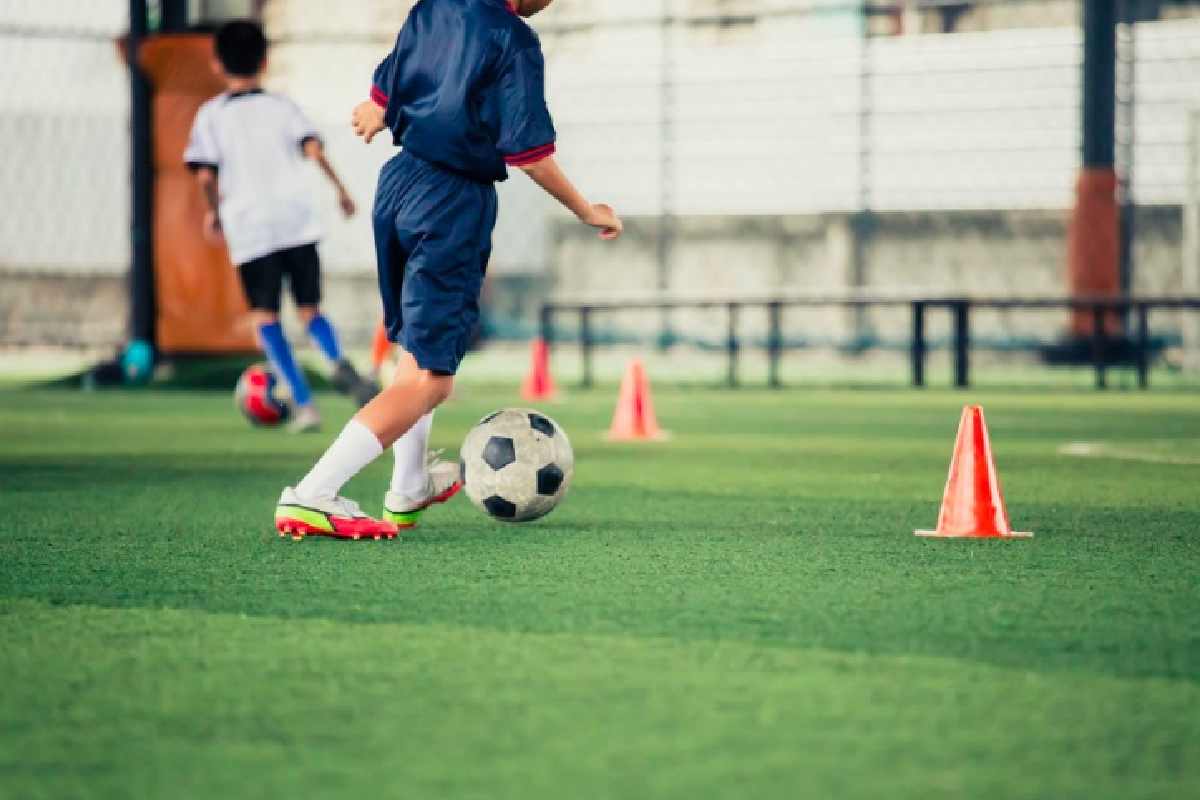
The term sports refers to a physical activity that is essentially competitive and improves the physical condition of the person who performs it. For its part, the Royal Spanish Academy (RAE) defines this term as “a physical activity that is practiced through competition and whose practice requires training and regulation. ”
Table of Contents
What Is Sports?
In the sense of “physical activity or movement,” sport is a copy (20th century). The term is derived from the old Spanish deporter, ‘amuse yourself,’ ‘rest,’ a voice from the Latin departure ‘move, transport.’ It is the physical activity carried out by one or a group of people according to specific rules and in a particular physical space.
History of sports
Its have been an important part of human culture for thousands of years. From ancient civilizations to modern international competitions like the Olympic Games, it have evolved into a global industry.
| Period / Year | Major Events in Sports History | Examples |
| Ancient Times (3000 BCE – 500 BCE) | Early physical games and competitions were part of religious and military training. | Wrestling, running, and archery in ancient Egypt and China |
| Ancient Greece (776 BCE) | First Olympic Games held in Olympia to honor the gods. | Running, wrestling, discus, and chariot racing |
| Roman Era (500 BCE – 400 CE) | It used for entertainment and military strength. | Gladiator fights, chariot races |
| Middle Ages (400 – 1500 CE) | It linked with knights and warfare training. | Jousting, archery, sword fighting |
| Renaissance Period (1500 – 1700) | It became part of education and physical development. | Tennis, fencing |
| 18th–19th Century | Modern sports rules developed in Europe. | Football, cricket, rugby |
| 1896 | Modern Olympic Games restarted by Pierre de Coubertin. | International sports competitions |
| Early 20th Century | Growth of organized sports and professional leagues. | Football clubs, cricket teams |
| Mid 20th Century | Television and media increased sports popularity. | World Cup, Olympics broadcasting |
| Late 20th Century | Global sports industry expansion. | Sponsorships, international leagues |
| 21st Century | Technology and analytics in sports. | VAR in football, wearable fitness tech |
| Present Day | E-sports and digital sports emerging. | Gaming competitions, online tournaments |
Types of Sports
- Individual
These involve a single participant competing independently. Performance outcomes depend solely on the individual’s physiological capacity, biomechanics, and tactical execution.
Examples:
- Athletics (Track & Field)
- Swimming
- Gymnastics
- Boxing
- Wrestling
- Archery
Cost of Participation (India – Approx.):
| Sport | Beginner Monthly Cost | Equipment Cost |
| Athletics | ₹1,000 – ₹3,000 | ₹3,000 – ₹8,000 |
| Swimming | ₹2,000 – ₹5,000 | ₹2,500 – ₹6,000 |
| Boxing | ₹1,500 – ₹4,000 | ₹4,000 – ₹10,000 |
| Gymnastics | ₹3,000 – ₹7,000 | ₹5,000 – ₹15,000 |
- Team
These require coordinated group dynamics, role specialization, and strategic communication.
Examples:
- Football
- Cricket
- Basketball
- Hockey
- Volleyball
Average Training Fees (India):
| Sport | Academy Fees / Month |
| Cricket | ₹2,000 – ₹6,000 |
| Football | ₹1,500 – ₹4,500 |
| Basketball | ₹1,000 – ₹3,500 |
| Hockey | ₹2,000 – ₹5,000 |
- Combat
Focus on strength, agility, reaction time, and tactical offense-defense engagement.
Examples:
- Judo
- Taekwondo
- Karate
- Mixed Martial Arts (MMA)
Approximate Equipment Costs:
- Gloves: ₹1,000 – ₹3,000
- Protective Gear: ₹2,000 – ₹7,000
- Uniform (Gi): ₹2,000 – ₹5,000
- Adventure & Outdoor
Typically performed in natural environments with inherent environmental risk variables.
Examples:
- Mountaineering
- Rock Climbing
- Paragliding
- River Rafting
Participation Cost Per Session (India):
| Activity | Cost per Session |
| Paragliding | ₹2,500 – ₹5,000 |
| River Rafting | ₹1,200 – ₹3,500 |
| Rock Climbing | ₹1,000 – ₹2,500 |
| Mountaineering | ₹5,000 – ₹20,000 (course based) |
Sports Properties
Since sport is a physical activity with rules and objectives aimed at improving the physical and mental condition of the individual, its characteristics are:
- Union: The sporting activity creates a union and a sporting world within the team, whose objective is specific and that only the love for the game and sport can have in common. The individual learns to work in a team and to deal with different personalities and characters.
- Responsibility: It activities create attitudes and skills that make the athlete a responsible and disciplined adult.
- Leadership: There are essential skills; leadership is one of them. Sport trains people to become leaders, whether in their discipline or any area of their life.
- Discipline: Discipline is one of the values of the sport that must use both within and outside of its competitions. In addition, it helps young people to overcome obstacles in life.
- Work: These are challenging activities that allow young people to set goals and achieve them if they persevere. (economictimes)
The sport can generally be divided into five main groups:
- Martial Arts.
- Ball sports.
- Sports.
- Mechanical sports.
- Sports in contact with nature.
- Mountains, earth, sand.
Companies in India, UK, and USA
| Company | Country | Type | Popular Products / Services |
| Nike | USA | Sportswear & Equipment | Shoes, clothing, sports gear |
| Adidas | UK / Global | Sportswear & Footwear | Sports apparel, footwear, accessories |
| Puma | India / Global | Sportswear & Lifestyle | Shoes, sports clothing |
| Reebok | USA / Global | Fitness & Sportswear | Footwear, gym wear |
| Decathlon | India / UK / Global | Sports Equipment Retail | Multi-sport gear and equipment |
| Under Armour | USA / UK | Performance Apparel | Sportswear, footwear |
| ASICS | India / UK / Global | Running & Sports Shoes | Footwear and accessories |
| SS (Sareen Sports) | India | Cricket Equipment | Bats, balls, protective gear |
| Cosco | India | Sports Equipment | Footballs, volleyballs, fitness items |
| Slazenger | UK | Tennis & Sports Equipment | Tennis rackets, balls |
| Wilson Sporting Goods | USA | Sports Equipment | Basketballs, tennis, baseball |
| New Balance | USA / UK / India | Footwear & Apparel | Running shoes and sportswear |
Career Opportunities in Sports Sector
It is no longer limited to athletic participation; it supports multidisciplinary professional ecosystems.
| Career Path | Average Salary (India/Year) |
| Sports Coach | ₹3 – ₹8 LPA |
| Fitness Trainer | ₹2 – ₹6 LPA |
| Sports Nutritionist | ₹4 – ₹10 LPA |
| Sports Psychologist | ₹5 – ₹12 LPA |
| Sports Journalist | ₹3 – ₹7 LPA |
| Physiotherapist | ₹4 – ₹9 LPA |
