
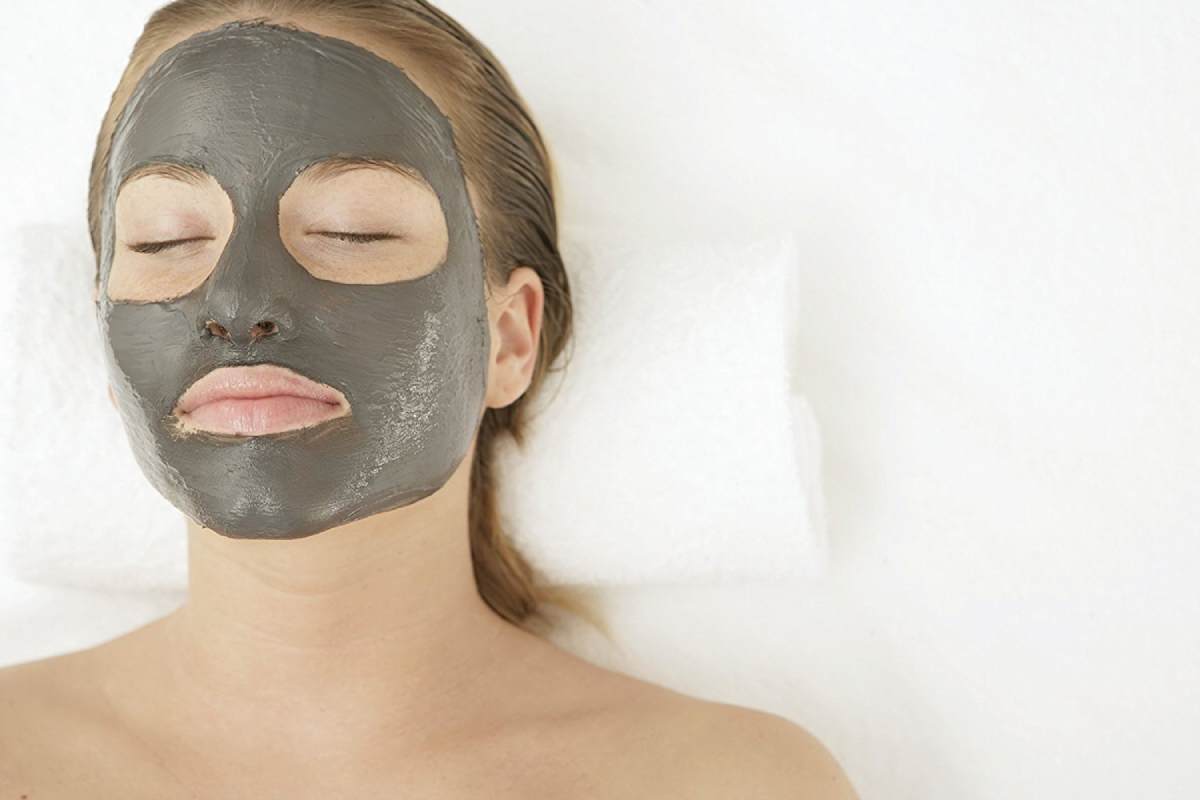
A mud mask is a skincare treatment made from natural mineral-rich mud or clay. It is applied to the face or body to clean, detoxify, and refresh the skin. Mud masks have been used for centuries in beauty traditions across the world, especially in spa treatments.
Table of Contents
What Is a Mud Mask?
A mud mask is made from natural mud collected from places like seas, lakes, and volcanic areas. Popular sources include the Dead Sea, which is rich in minerals such as magnesium, calcium, and potassium. These minerals help improve skin health.
Famous Clay Used For Mud Masks
- Fuller’s Earth
- Bentonite Clay (Multani mitti)
- Clay from the Dead Sea
- Aztec healing clay
- French green clay
- Rose Clay (French pink clay)
- Rhassoul Clay (Moroccan Lava Clay)
- Cambrian blue clay
- Irish Moorish clay
- kaolin clay
Types of Mud Masks Based on Skin Concern
Mud masks are not dermatologically identical formulations. They are categorized based on adsorption capacity, particle size distribution, ion-exchange potential, and mineral bioavailability.
| Skin Type | Recommended Mud Type | Functional Role |
| Oily Skin | Bentonite Clay | Sebum adsorption & detoxification |
| Acne-Prone Skin | Dead Sea Mud | Antibacterial + anti-inflammatory |
| Dry Skin | Rhassoul Clay | Hydration + skin elasticity |
| Sensitive Skin | Kaolin Clay | Gentle cleansing |
| Combination Skin | French Green Clay | Oil balancing |
| Mature Skin | Rose Clay | Improves microcirculation |
What are the Primary Benefits of a Mud Mask?
While the skin conditioning benefits of a mud mask vary a bit depending on the clay used, all mud masks work the same way. Here’s a quick explanation of how help your skin!
Clay has numerous minerals that are essential such as iron, magnesium, sodium, potassium, and calcium. At the time the water is being added to the clay the H2O molecules also reacts with the minerals to give a net negative charge to the mud mixture.
Key Benefits of Mud Masks
| Benefit | Explanation |
| Deep Cleansing | Removes dirt, pollution, and impurities from deep inside the pores. |
| Oil Control | Absorbs excess oil and reduces shine, making it ideal for oily and acne-prone skin. |
| Acne and Pimple Control | Helps reduce breakouts by cleaning clogged pores and removing bacteria. |
| Detoxification | Pulls out toxins and environmental pollutants from the skin. |
| Exfoliation | Removes dead skin cells and promotes smoother, softer skin. |
| Skin Brightening | Improves skin tone and gives a natural glow. |
| Pore Tightening | Makes enlarged pores appear smaller. |
| Improved Blood Circulation | Boosts circulation, which helps in healthier and more radiant skin. |
| Hydration | Some mud masks provide moisture and prevent dryness. |
| Anti-Aging | Helps reduce fine lines and improves skin elasticity. |
| Soothing and Cooling | Calms irritated and inflamed skin. |
| Blackhead and Whitehead Removal | Helps clear clogged pores and reduces blackheads. |
Why is that important?
Toxins, free radicals, and other nasty molecules that can clog pores carry a positive charge. So when you apply to your skin, the mud absorbs all the harmful particles from your skin cells. Incredibly true?
Scientific Mechanism of Mud Mask on Skin
Mud masks operate through the following dermatological pathways:
- Adsorption
Clay particles possess a high cation-exchange capacity (CEC) allowing them to bind:
- Environmental toxins
- Heavy metals
- Sebaceous secretions
- Bacterial metabolites
- Dead keratinocytes
- Sebum Regulation
Mud mask application helps in:
- Reducing sebaceous gland hyperactivity
- Minimizing follicular blockage
- Preventing comedone formation
- Ionic Exchange Process
Negatively charged clay ions bind positively charged impurities through:
- Electrostatic attraction
- Surface area interaction
- Van der Waals forces
This results in:
- Pore decongestion
- Reduced inflammatory response
- Improved epidermal barrier function
Clinical Benefits of Mud Masks
Dermatological Advantages
- Improves stratum corneum hydration
- Enhances dermal blood circulation
- Supports collagen synthesis
- Controls transepidermal water loss (TEWL)
- Balances skin microbiome
- Reduces acne lesion count
- Lightens hyperpigmentation
- Promotes lymphatic drainage
- Enhances epidermal turnover
How to Use a Mud Mask?
Using a mud mask correctly helps you get clear, glowing, and healthy skin. Mud masks made with mineral-rich ingredients such as those from the Dead Sea are especially effective for deep cleansing and detoxifying.
Step-by-Step Guide
| Step | Process | Explanation |
| Step 1 | Clean Your Face | Wash your face with a gentle cleanser to remove dirt, oil, and makeup. This helps the mask work better. |
| Step 2 | Pat Dry | Gently dry your face with a soft towel. Do not rub harshly. |
| Step 3 | Apply the Mask | Take a small amount of mud mask and apply a thin, even layer on your face. |
| Step 4 | Avoid Sensitive Areas | Do not apply near eyes, lips, or open wounds. |
| Step 5 | Relax and Wait | Leave the mask on for 10–15 minutes until it dries partially. |
| Step 6 | Rinse with Lukewarm Water | Gently wash it off using circular motions to exfoliate the skin. |
| Step 7 | Moisturize | Apply a good moisturizer to keep skin hydrated and soft. |
DIY Mud Mask
The first step in making a homemade mud mask is choosing clay. You can find all kinds of clay online without spending an arm and a leg. And don’t worry, buying clay for a homemade face mask is much cheaper than going to the spa. (mosaique)
Now that you have clay to work with let’s make a mud mask! There are many things or ingredients you can use to create your cover.
Apple Cider Vinegar
- Two tablespoons of clay
- 2 tablespoons apple cider vinegar
- It consists of two ingredients only, thus this mask would be the ideal place to begin in case you are new to wearing homemade masks.
- Mud mixes which appear to be too thin, by pinching in more clay. You can add in some extra drops of the apple cider vinegar in case your mixture is too thick. It is easy!
Yogurt
- 2 tablespoons of clay
- 1 tablespoon Greek yogurt
- 1 tablespoon of warm water
- We are fond of Greek yogurt as it comes among our 27 antiaging foods and is the primary constituent in yogurt facial masks. And when yogurt and clay are mixed they make an insurmountable healing power to the skin.
Mud mask with Lemon Juice
- 2 tablespoons of clay
- 1 tablespoon lemon juice
- 1 tablespoon of warm water
- It is the ideal mask to use on oily skin, as it has lemon juice. This is not the mask to use though, in case your skin is also dry.
Honey Mud Mask
- 2 tablespoons of clay
- 1 tablespoon of honey
- 1 tablespoon of warm water
- As sticky as it is, honey is an excellent ingredient for a mud mask. It is a natural antioxidant and helps lock in moisture in the skin. A perfect option for dry skin!
Fruit and Vegetable
- 2 tablespoons of clay
- 2 tablespoons fruit or vegetable puree
- ½ tablespoon warm water (if needed)
Activated Charcoal Mud Mask
- 1 tablespoon of clay
- 1 tablespoon activated charcoal
- 2 tablespoons of warm water
- You’ve probably heard of activated charcoal face masks and their unique benefits. when combined
Mud Mask Usage Protocol (Dermatology Recommended)
Frequency of Application
| Skin Type | Usage Frequency |
| Oily Skin | 2–3 times/week |
| Dry Skin | 1 time/week |
| Sensitive Skin | Once in 10 days |
| Acne-Prone Skin | 2 times/week |
| Combination Skin | 1–2 times/week |
Potential Side Effects of Mud Masks
Although mud masks are topically safe, improper usage may cause:
- Contact dermatitis
- Erythema
- Skin dryness
- Mild burning sensation
- Post-inflammatory hyperpigmentation (rare)
- Excessive exfoliation
Avoid application:
- On open wounds
- After chemical peels
- Post laser therapy
- On sunburnt skin
Mud Mask vs Clay Mask vs Peel-Off Mask
| Parameter | Mud Mask | Clay Mask | Peel-Off Mask |
| Detoxification | High | Moderate | Low |
| Oil Absorption | High | High | Low |
| Hydration | Moderate | Low | Moderate |
| Exfoliation | Mild | Mild | High |
| Skin Tightening | Yes | Yes | Yes |
| Acne Control | Effective | Effective | Temporary |
Market Analysis: Mud Mask Price Range (India – 2026)
Mud masks are available in multiple formulation grades such as (Healthline):
- Cosmetic Grade
- Pharmaceutical Grade
- Organic Certified
- Spa Professional Grade
| Product Category | Price Range (₹) | Quantity |
| Multani Mitti Based Mask | ₹150 – ₹350 | 100g |
| Kaolin Mud Mask | ₹250 – ₹600 | 100g |
| Dead Sea Mud Mask | ₹500 – ₹1500 | 100g |
| Activated Charcoal Mud Mask | ₹300 – ₹900 | 100g |
| French Green Clay Mask | ₹600 – ₹1800 | 100g |
| Moroccan Rhassoul Clay Mask | ₹700 – ₹2000 | 100g |
| Premium Organic Mud Mask | ₹1200 – ₹3500 | 100g |
Global Mud Mask Spa Treatment Cost (2026)
| Country | Average Cost per Session |
| India | ₹1500 – ₹4000 |
| USA | ₹6000 – ₹12000 |
| UK | ₹5000 – ₹10000 |
| UAE | ₹7000 – ₹15000 |
| Australia | ₹6500 – ₹13000 |
Shelf Life and Storage Guidelines
- Shelf Life: 12 – 24 months
- Store below 25°C
- Avoid direct sunlight exposure
- Use airtight container
- Do not contaminate with water
Industry Trends (2025–2026)
- Rise of mineral-infused mud masks
- Demand for organic certified clay
- Increase in charcoal-clay hybrid masks
- Probiotic mud mask formulations
- Vegan & sulfate-free masks
Conclusion
Mud masks are more than just traditional skincare remedies—they are mineral-rich topical treatments that support deep pore cleansing, oil regulation, and skin detoxification through natural adsorption and ionic exchange mechanisms. Whether formulated with bentonite, kaolin, or Dead Sea mud, these masks can address multiple dermatological concerns including acne, excess sebum, dullness, and uneven texture. With appropriate usage based on skin type and proper formulation, mud masks can be a cost-effective and clinically supportive addition to any skincare regimen for maintaining overall skin health and clarity.
