
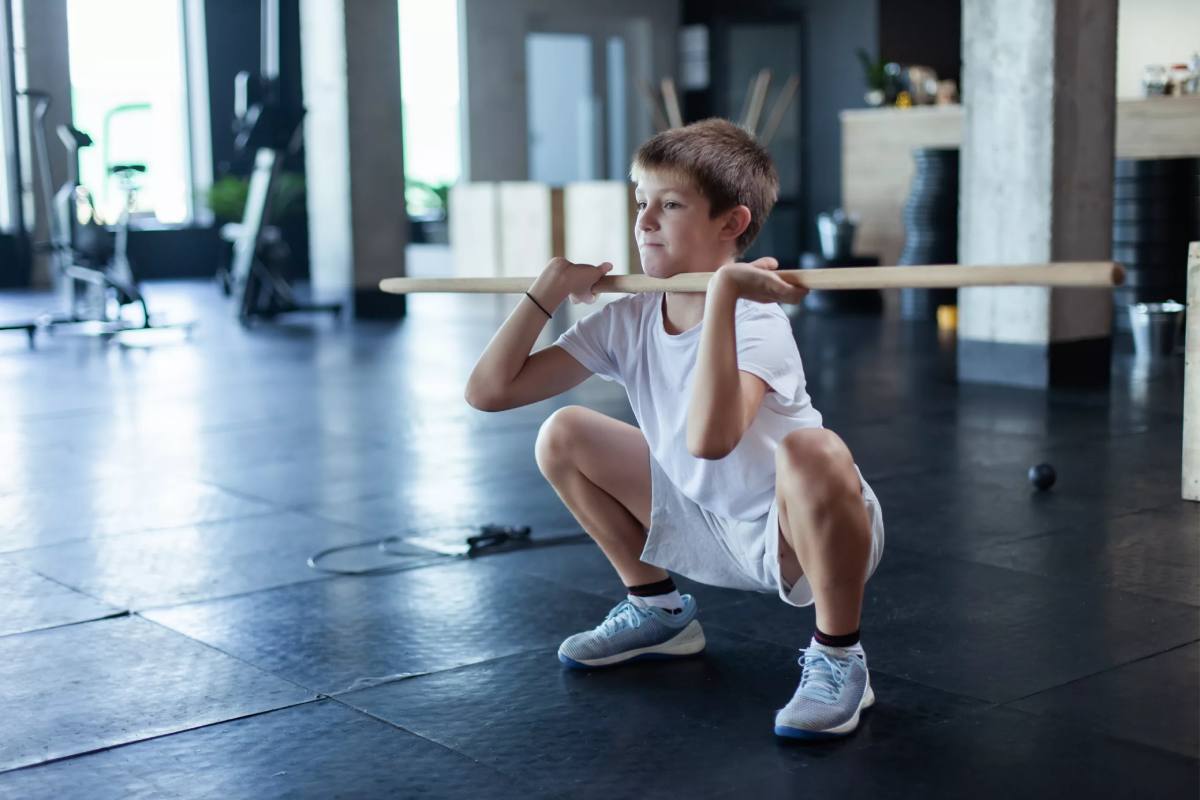
Developing Strength and Endurance in Kids
Essential to physical fitness of a child are the strength and endurance which improve the participation of a child in sports and everyday activities as well as the overall health. Exercising these elements early enough will assist children to have well-developed muscles and bones, better cardiovascular system and also enhances their confidence. But to maintain fitness among the children one will have to be creative, fun so that their participation does not seem mandatory. Parents, educators and coaches can help children to develop these main physical aspects and love movement throughout their lives by planning activities that incorporate play and exercise.
Table of Contents
The Benefits of Strength and Endurance Training for Kids
| Benefit Area | Strength Training Benefits | Endurance Training Benefits |
| Physical Health | Builds strong muscles and bones | Improves heart and lung health |
| Fitness Level | Increases overall strength and power | Enhances stamina and energy |
| Weight Management | Helps maintain healthy body weight | Burns calories and reduces fat |
| Bone Development | Improves bone density and growth | Supports long-term skeletal health |
| Coordination | Improves balance and motor skills | Enhances movement efficiency |
| Mental Health | Boosts confidence and self-esteem | Reduces stress and anxiety |
| Discipline | Teaches focus and consistency | Builds patience and persistence |
| Sports Performance | Improves performance in games | Increases endurance in sports |
| Injury Prevention | Strengthens joints and muscles | Improves recovery and resilience |
| Sleep Quality | Promotes better sleep patterns | Helps regulate sleep cycles |
Building Strong Muscles and Bones
Specialized strength training in children has many advantages such as the gain of muscle mass, stronger bones and better overall stability. Bodyweight exercises (e.g., push-ups, squats) and resistance training which are age-appropriate can be a healthy way to stretch and grow without being dangerous as long as the exercises are done properly. Studies reveal that strength exercises have the potential to increase bone density, which is crucial in the growing years, as well as, in increasing muscular endurance.
Improved Cardiovascular Health
Activities that are endurance in nature such as running, swimming, cycling, and active games are beneficial in supporting the cardiovascular health. By getting children to perform exercises increasing their heart rates over a prolonged period, it increases the capacity of their heart and lungs, improves blood circulation, and contributes to the healthy weight of children. Health specialists recommend that a child should strive to engage in at least 60 minutes of moderate-vigorous physical exercise per day to enjoy these cardiovascular benefits.
Boosting Confidence and Mental Toughness
Physical difficulties and strength exercise make children feel an accomplishment and a sense of confidence. They become resilient and disciplined as they break through the challenges and achieve the fitness goals and this permeates into the physical world. Well-organized fitness sessions would also help in raising the self esteem and coping with stress by releasing endorphins and providing children with a positive release of their energy. (Harvard Health Publishing)
Engaging and Safe Strength-Building Activities
Bodyweight Exercises
Exercises on the body are a great example of training that does not require any special equipment, yet makes them strong. Such activities are by themselves safe among children when under supervision and suitability to the ability level of the children. Examples of some of the effective ones are:
- Push-Ups: Develop upper body and core strength by starting with modified versions (e.g., knee push-ups) for beginners.
- Squats: Builds lower body strength, improves stability, balance and endurance of the muscles.
- Planks: Attention should be paid to the core strength, that helps to maintain a better stance and stability in diverse activities.
Resistance Bands and Light Weights
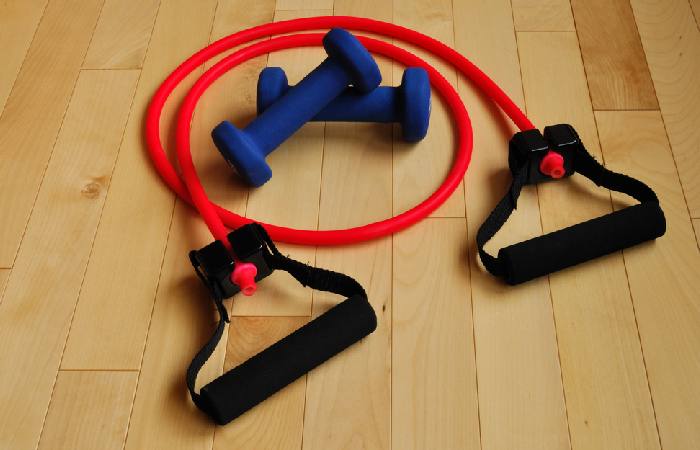
For older children, incorporating light resistance bands or small weights under adult supervision can be beneficial. Guidelines for safe practice include:
- Start with Light Resistance: Gradually increase the weight or resistance to prevent strain or injury.
- Prioritize Proper Form: Ensure children learn correct techniques before progressing.
- Supervision is Key: An adult should oversee each session to ensure safety and effectiveness.
Fun Strength-Based Games
The interest and motivation of kids should be engaged by playing games that test their strength and stamina:
- Tug-of-War: This gives team spirit as it enhances the strength and coordination of the upper body.
- Climbing Challenges: Climbing activities build grip strength, coordination and general physical ability either using a jungle gym or climbing walls.
- Relay Races: It involves running, jumping, and strength training activities to provide a fun aspect to the training of fitness.
Endurance Training Ideas That Kids Will Love
| Activity | Why Kids Love It | Endurance Benefit | How to Do It |
| Tag Games | Fun, fast-paced, social | Improves stamina and agility | Play in groups with running rules |
| Cycling | Feels like an adventure | Builds leg strength and endurance | 20–40 min rides in safe areas |
| Swimming | Water play is exciting | Full-body endurance workout | 2–3 sessions/week |
| Skipping Rope | Like a game, rhythmic | Boosts heart endurance | 5–10 min sets |
| Dance Workouts | Music + movement = fun | Improves cardiovascular fitness | 15–30 min sessions |
| Obstacle Courses | Challenging and playful | Builds strength + stamina | Use cones, chairs, ropes |
| Relay Races | Team competition | Improves speed and endurance | Short distance team races |
| Hiking/Nature Walks | Outdoor exploration | Builds long-duration stamina | Family walks on trails |
| Sports (Football, Basketball) | Competitive and exciting | Enhances endurance naturally | 2–3 times/week |
| Jumping Games | Energetic and playful | Improves heart rate endurance | Hopscotch, jumping drills |
Weekly Training Framework (Sample Plan)
| Day | Focus Area | Example Activities |
| Monday | Strength | Squats, push-ups, planks |
| Tuesday | Endurance | Running, cycling |
| Wednesday | Active Play | Games, sports |
| Thursday | Strength | Resistance bands, core |
| Friday | Endurance | Swimming, skipping |
| Saturday | Mixed | Relay races + circuits |
| Sunday | Recovery | Light walking, stretching |
Injury Prevention and Safety Protocols
Common Risks
- Overuse injuries (knees, ankles)
- Poor form leading to strain
- Burnout due to excessive training
Prevention Measures
- Warm-up: 5–10 minutes (dynamic stretching)
- Cool-down: light stretching
- Rest: At least 1–2 rest days/week
Red Flags to Monitor
- Persistent fatigue
- Pain lasting more than 48 hours
- Loss of interest in activity (World Health Organization)
Best Exercises for Developing Strength & Endurance in Kids
| Exercise | Why It’s Great | Strength Benefit | Endurance Benefit | How to Do It |
| Animal Walks (bear crawl, crab walk) | Feels like a game | Builds full-body strength | Improves stamina | Move like animals across a room or ground |
| Jump Rope (Skipping) | Fun and rhythmic | Strengthens legs | Boosts heart endurance | Short sets (1–2 min) with breaks |
| Obstacle Course | Adventure + challenge | Builds strength, balance | Improves stamina | Use household items or playground |
| Swimming | Playful and refreshing | Full-body muscle use | Excellent cardio endurance | 20–30 min sessions |
| Cycling | Feels like outdoor fun | Strengthens legs | Builds long-duration stamina | Safe rides for 20–40 mins |
| Bodyweight Exercises (push-ups, squats) | Simple and effective | Builds muscle strength | Improves muscular endurance | 10–15 reps in sets |
| Running Games (tag, relay) | Social and exciting | Improves leg strength | Enhances speed + endurance | Short bursts of running play |
| Dancing | Music keeps kids engaged | Builds coordination | Improves cardiovascular fitness | 15–30 min sessions |
| Climbing (playground) | Natural and fun | Strengthens arms and core | Builds endurance gradually | Use safe climbing structures |
| Yoga (Kids Style) | Calm and engaging | Builds flexibility and strength | Improves breathing endurance | Short guided sessions |
Role of Nutrition in Strength and Endurance Development
Macronutrient Requirements
- Protein: Supports muscle repair
- Sources: eggs, milk, lentils, chicken
- Carbohydrates: Primary energy source
- Sources: rice, whole grains, fruits
- Fats: Hormonal and brain development
- Sources: nuts, seeds, healthy oils

Hydration Guidelines
- 1–1.5 liters/day minimum (varies by age/activity)
- Increase intake during sports sessions
Pre- and Post-Workout Nutrition
| Timing | Food Examples |
| Pre-workout | Banana, peanut butter sandwich |
| Post-workout | Milk + fruit, yogurt |
Psychological and Behavioral Aspects
Motivation Techniques
- Gamification (points, levels, rewards)
- Peer participation
- Parental involvement
Avoid:
- Excessive pressure
- Comparison with peers
- Performance-only focus
Build:
- Intrinsic motivation
- Enjoyment-first mindset
Best Gym Options for Kids
| Type of Gym/Program | Why It’s Best | Focus Areas | Ideal Age Group |
| Kids Fitness Centers | Designed specially for children | Fun workouts, basic strength, endurance | 5–12 years |
| Sports Academies | Skill + fitness training | Stamina, agility, sport endurance | 6+ years |
| Martial Arts Schools | Discipline + full-body training | Strength, endurance, flexibility | 5+ years |
| Swimming Academies | Safe and structured | Full-body endurance | 4+ years |
| Gymnastics Centers | Builds strong foundation | Strength, flexibility, coordination | 4–12 years |
| Yoga Studios (Kids Classes) | Gentle and safe | Core strength, breathing endurance | 5+ years |
| Family Fitness Gyms | Supervised kids programs | Basic strength + cardio | 10+ years |
Technology and Tools for Training
Wearables (Optional)
- Basic fitness bands for step tracking
- Heart rate monitors (for older kids)
Apps (Parental Supervision Required)
- Activity tracking apps
- Gamified fitness platforms
Cost Breakdown for Parents
Home-Based Training (Budget-Friendly)
| Item | Price Range (INR) |
| Jump rope | ₹150 – ₹500 |
| Resistance bands | ₹300 – ₹1,000 |
| Yoga mat | ₹500 – ₹1,500 |
Organized Training Programs
| Type | Monthly Cost (INR) |
| Local sports academies | ₹1,000 – ₹5,000 |
| Professional coaching centers | ₹5,000 – ₹15,000 |
| Specialized fitness programs | ₹3,000 – ₹10,000 |
Equipment-Based Training (Optional)
| Equipment | Price Range (INR) |
| Dumbbells (light) | ₹1,000 – ₹3,000 |
| Agility ladder | ₹700 – ₹2,000 |
| Mini hurdles | ₹1,500 – ₹4,000 |
School and Community-Based Programs
Importance of Structured Environments
- Encourages discipline
- Provides social interaction
- Ensures professional supervision
Examples:
- Physical education classes
- After-school sports programs
- Community fitness events
Monitoring Progress and Evaluation
Key Metrics
- Endurance: time/distance covered
- Strength: number of reps
- Flexibility: range of motion
Tracking Frequency
- Weekly (basic observation)
- Monthly (measurable benchmarks)
Tools:
- Simple charts
- Fitness journals
- Parent/coach feedback
Common Myths About Kids’ Strength Training
- “Strength training stunts growth”
- No scientific evidence when done correctly
- “Kids should only do cardio”
- Strength training is equally important
- “Weights are dangerous for children”
- Safe under supervision and proper technique
Long-Term Development Benefits
- Reduced risk of obesity
- Improved academic performance (associated with physical exercise)
- Improved posture and biomechanics
- Improved sporting capabilities
Conclusion
The introduction of strength and endurance among children with the help of effective fitness plans may make a transformative effect on their health and mental state. Through the use of fun and age-related activities such as body weight, resistance training, relay race, jumping rope challenge, children can not only develop their physical abilities, but also gain confidence, strength, and positive attitude towards motion.
Structured challenges and the playful fitness make sure that a child remains motivated, develops healthy habits, and forms a solid base of a lifetime fitness. A balanced use of strength and endurance training has been encouraged to make the children grow stronger and more confident and better equipped to handle all the challenges of life.
About the Author
The self-realization process of Paul Plotkin began in the special forces where he learned to work as a team and commit. Switching to the entrepreneurship, he collaborated with powerful people of different professions and this influenced his leadership philosophy. In 2010, he also pivoted to the area of child development, and he created the Mission Grit ® to enable children to develop physical and inner strength, cooperation skills, confidence, and adaptability at several levels.
