
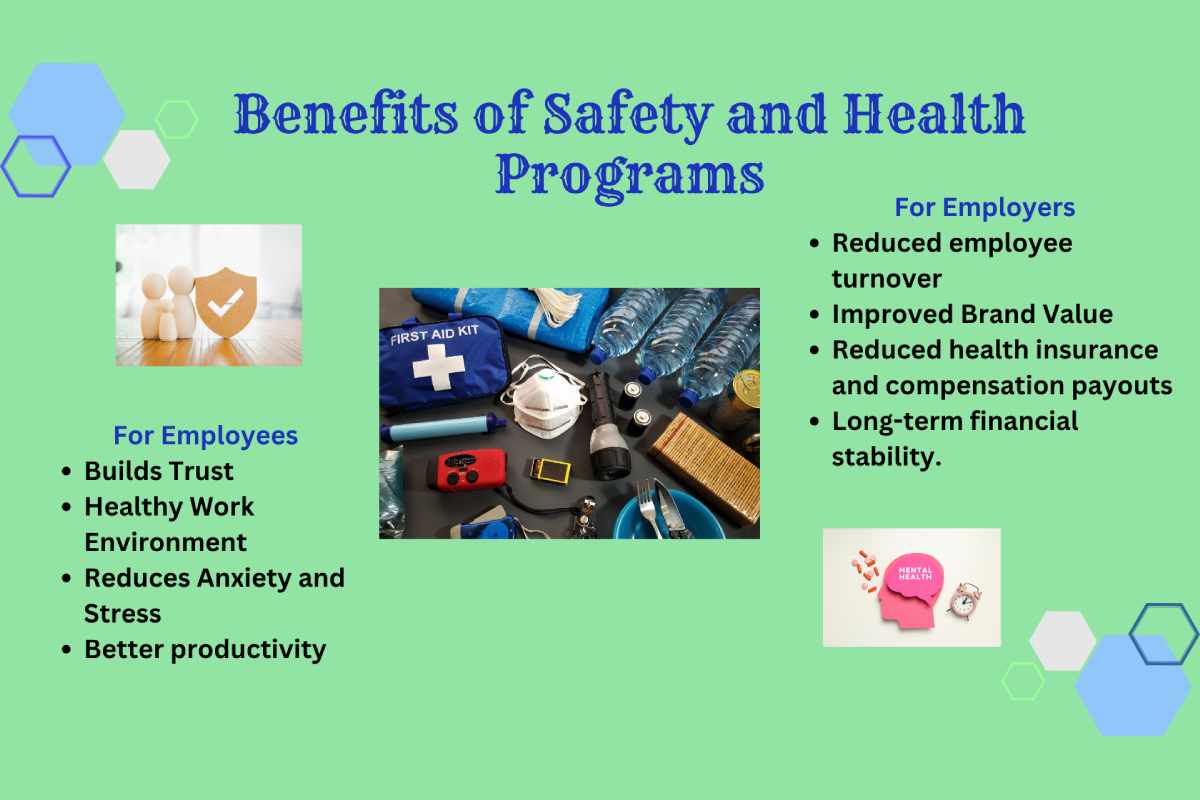
How Does a Well-Implemented Safety and Health Program Affect Employee Retention?
Employee retention is becoming one of the most difficult problems that organizations today face across the U.S. Not only are companies trying to find skilled individuals, but they are trying to retain and maintain healthy, happy and dedicated employees. The two primary factors that are constantly discussed in terms of retaining employees are that of financial incentive and opportunity of advancement. What’s always overlooked is the effect of health and safety in the workplace.
A program for safety and health can do more than save an organization money in the long run by avoiding an accident; it increases an organization’s ability to retain employees by increasing their satisfaction, their morale, the trust employees feel toward the organization, and thus an employee’s commitment. Unhealthy, unsafe organizations lose employees constantly; on the other hand, employees stay committed and productive organizations for a longer amount of time.
This paper talks about how a good occupational safety and health program can result in better employee retention. It offers some statistic-based evidences, as well as some real-life examples, and then sets out some actionable methods that can be taken by organizations to improve their retention strategies through the use of health and safety programs, while also demonstrating how leading organizations constantly feature health aspects of occupation.
Table of Contents
Understanding Employee Retention in the U.S. Workforce
What Is Employee Retention?
Employee retention is a company’s capability of retaining employees over a period of time. High retention indicates stable and satisfied employees while high turnover indicates some sort of problem.
Why Retention Matters
But retention isn’t just an HR metric-it has implications on your bottom line and on day-to-day operations. Depending on the employee’s role and responsibilities, replacing the employee can cost an organization anywhere between 50 and 200 percent of the position’s annual salary.
Key consequences of poor retention include:
- Increased recruitment and training costs
- Loss of institutional knowledge
- Decreased team morale
- Reduced productivity
The trend toward these programs demonstrates the importance of safety and health programs as employee retention tool.
What Is a Good Safety and Health Program?
A safety and health program is a planned, written, coordinated effort by which employers attempt to identify, prevent and correct workplace hazards. Guidelines are promulgated by various trade and professional groups, in addition to the government.
The Direct Link Between Safety Programs and Employee Retention
- Employee Trust and Loyalty
When employees trust their employer:
- Job satisfaction increases
- Engagement improves
- Loyalty strengthens
- Reduced Workplace Injuries and Absenteeism
Disruption to careers as well as organizational efficiency caused by workplace accidents can be avoided by effectively running safety programs.
- Fewer lost workdays
- Lower stress levels among employees
- Increased job security
- Competitive Advantage in Talent Retention
Companies with a good safety performance will naturally attract better candidates than those that had previously not considered safety. This can cause significant reductions in employee turnover within competitive markets.
Factoring in the influence of Safety to Employee retention
The relationship between safety programs and retention is supported by substantial data.
Table 1: Impact of Workplace Safety on Retention Metrics
| Factor | With Strong Safety Program | Without Safety Program |
| Employee Turnover Rate | 10–15% | 25–40% |
| Workplace Injury Rate | Low | High |
| Employee Satisfaction Score | High | Moderate |
| Absenteeism | Reduced | Frequent |
| Productivity Levels | Stable/High | Inconsistent |
Safety Programs’ Influence on organizational culture
Implementing an effective safety and health program is a way to reduce injuries and illness; additionally it molds an organization’s culture. Culture is a strongest predictor of an employee’s long-term retention.
Safety as organizational value. Making safety an organization’s value sets the organization up to be safe not only in action, but in thought. Values provide the guidelines through which people make decisions. The key indicators of safety cultures include:
Communication of safety and risk
Shared responsibilities of safety at every level
A spirit of ongoing improvement
Open reporting procedures of incidents
Trust-Building Through Transparency
Some examples include:
- Shared internal safety reports
- Post-incident open forums
- Encouraging the whistleblowing without reprisal
Compliance and Regulation role in retention
Beyond the mere necessity, compliance with occupational safety regulations have strategic impact on retention as well.
The US regulatory framework
By following state and federal statutes regarding safety and security, the firm is also showing its professionalism and responsibility. The followings are such areas:
- Hazard communication regulations
- Reporting of workplace injuries
- Requirements for employee safety training
Legal and reputational risk avoidance
Consequences of a lack of compliance may include:
- Litigation
- Financial penalties
- Brand damage
Such risks result in organizational instability and possibly employee layoffs.
Measuring the effect of safety programs on retention
The impact of safety programs as a retention strategy must be measured.
Key Performance Indicators (KPIs)
Having well-selected performance indicators confirms that the correct data are being captured to measure and report on the influence of safety on retention.
Some Key Performance Indicators include:
- Rate of employee turnover
- Lost Time Injury Frequency Rate (LTIFR)
- Employee satisfaction and engagement metrics
- Absenteeism rate
- Near-miss incident reporting rate
Data correlation analysis
It’s possible for an organization to correlate certain points such as:
- Departments with high rates of safety and high levels of retention
- A rise in safety score while turnover declines
- Higher participation in training has an impact on absenteeism rate
Integrating Safety with Employee Benefits and HR Strategy
A company’s safety program can not be seen in isolation. In fact, incorporating the program into the company’s HR policy will increase its affect on employee retention.
Integration with Benefits Packages
Integrating safety programs into health insurance plans, employee wellness, paid time off, and other company benefits programs adds value.
Financial Benefits That Reinforce Retention
Investing in safety programs is not just ethical—it’s financially strategic.
Cost Savings from Reduced Turnover
Lower turnover translates to:
- Reduced hiring expenses
- Lower training costs
- Increased operational continuity
Cost Comparison
| Cost Category | Poor Safety Program | Strong Safety Program |
| Hiring & Onboarding | High | Low |
| Injury-Related Costs | High | Minimal |
| Productivity Loss | Significant | Low |
| Insurance Premiums | Higher | Lower |
Case Study: Manufacturing Sector in the United States
Scenario
A mid-sized manufacturing company implemented a comprehensive safety and health program, including:
- Monthly safety training
- Real-time hazard reporting system
- Leadership accountability metrics
Results (Within 2 Years)
- 60% reduction in workplace injuries
- 35% decrease in employee turnover
- 20% increase in productivity
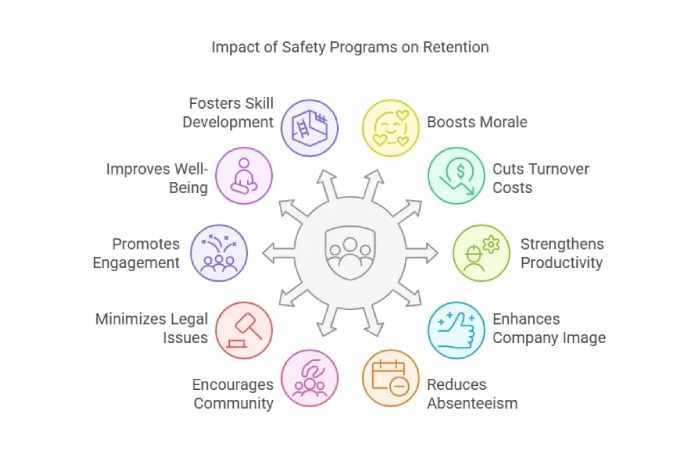
Employee Engagement Through Safety Initiatives
Safety programs are not just compliance tools—they are engagement mechanisms.
Ways to Engage Employees
- Safety committees
- Feedback systems
- Recognition programs for safe behavior
- Continuous training sessions
Retention Benefits
Engaged employees:
- Feel valued and heard
- Develop stronger organizational ties
- Are less likely to leave
Industry-Specific Considerations
Different industries experience varying levels of risk, but the importance of safety remains universal.
High-Risk Industries
- Construction
- Manufacturing
- Healthcare
In these sectors, safety programs are critical for both compliance and retention. (Gallup)
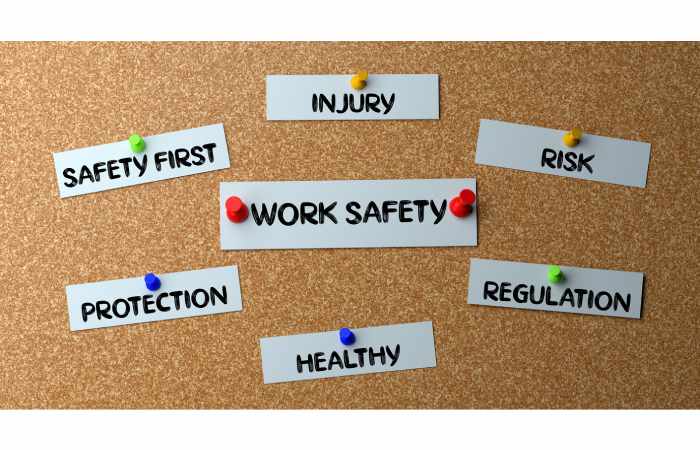
Long-Term ROI of Safety and Health Programs
The return on investment (ROI) of safety programs extends beyond immediate cost savings.
- Workforce Stability
Lower turnover ensures:
- Safety Continuity in the organization
- More robust teams
- Lower recruitment costs
- Better employer branding
Best employees flock to companies that are safe.
- Higher Productivity
Employees that are well and truly healthy are highly productive and don’t call out sick as much.
- Legal and Compliance Benefits
Well run safety programs can lower the likelihood of:
- Regulatory fines
- Lawsuits
- Damage to their employer brand
The Effect of Mental Health in Employee Retention
A progressive approach to workplace safety includes employee mental health not just physical.
Components:
* Stress-reduction programs.
* Easy access to counseling resources.
* Workplace flexibility. (OSHA)
What’s Next in Workplace Safety and Employee Retention?
- AI and Predictive Analytics in workplace safety
Companies will increasingly leverage data to identify and prevent risks in the workplace.
- Focus on Holistic Well-Being
Future programs will combine:
- Physical safety
- Mental health
- Work-life balance initiatives
- Remote Work Safety Considerations
As remote work grows, companies are addressing:
- Home office ergonomics
- Digital fatigue
- Work-life balance
FAQs
- How is workplace safety related to employee retention?
Safety at work improves employee retention by enhancing their happiness, reducing their stress, and establishing their confidence in the workplace.
- What industries profit the most from safety programs?
Industries that pose the highest risks (construction, manufacturing, healthcare etc.) benefit immediately from these safety programs, although all industries improve the well-being of their employees by focusing on workplace safety.
- Are safety programs cost effective?
Yes, while organizations will incur costs initially, this cost can be justified by savings on turnover, safety and productivity over the longer term.
- How can a small business implement safety programs?
Small businesses can start with:
- Basic risk assessments
- Employee training sessions
- Clear safety policies
Even simple initiatives can significantly improve retention.
- What is the biggest challenge in maintaining safety programs?
Consistency. Programs must be continuously enforced and updated to remain effective.
Conclusion
When properly executed, a safety and health program isn’t a requirement, it’s a business asset and the bottom line has a direct impact on employee retention. A company that supports a culture of workplace safety, is a company whose employees feel secure and valued and this has a tendency to bring employee loyalty.
In today’s environment, safety and health programs aren’t an option, they are a necessity for a committed, loyal and productive work force.

Afiya Jafar is a health, fitness and lifestyle writer at Health Fitness Champion. She creates reader-focused content covering everyday health, fitness, wellness, nutrition, beauty and healthy lifestyle topics.

Sameena Begum is a health, wellness and lifestyle content reviewer at Health Fitness Champion. She reviews selected content for clarity, organisation, consistency, readability and overall reader usefulness.

Dr. Syed Imtiaz is a qualified medical professional with MBBS and MD qualifications and 5+ years of experience in the medical field. He works as a General Physician and Dermatologist, with knowledge spanning general medicine and dermatological health.