
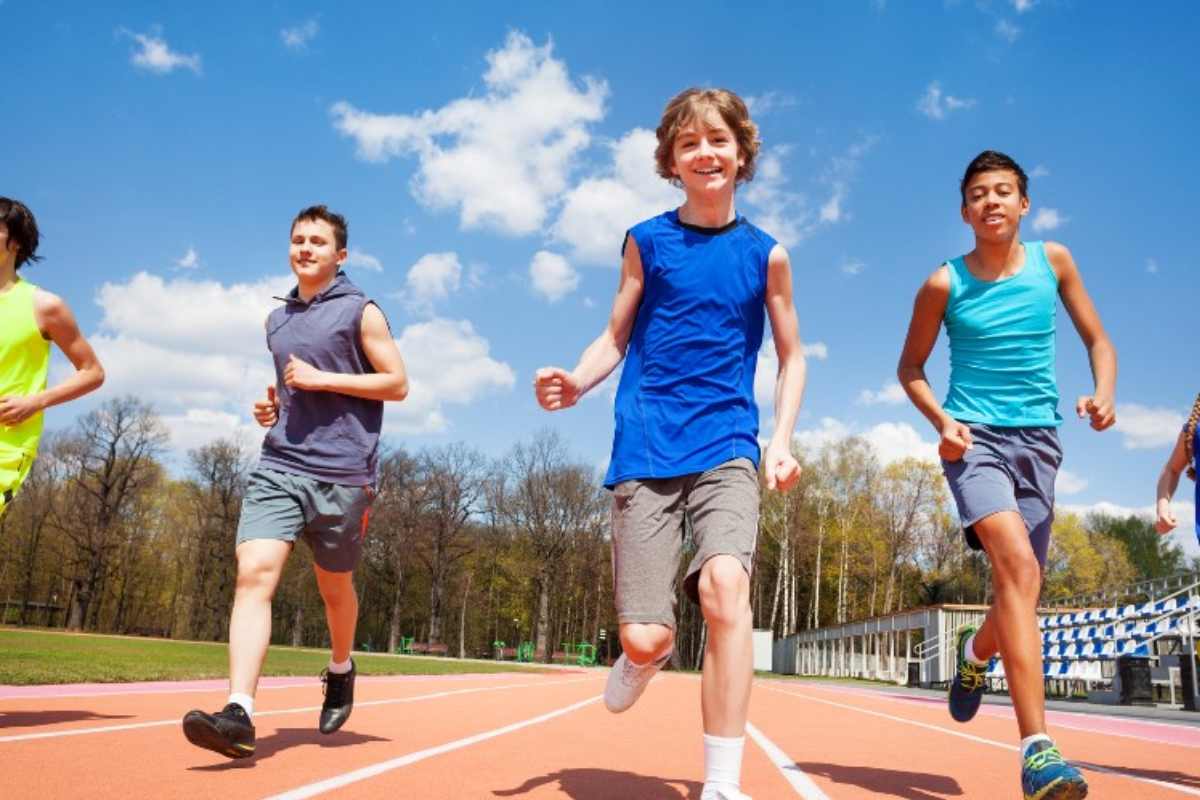
Physical activity for teens means any movement that helps the body stay strong, healthy, and active. It includes sports, exercise, games, and daily activities that increase heart rate and improve fitness. Teenagers need regular physical activity for healthy growth, mental well-being, and better lifestyle habits.
Organizations like the World Health Organization recommend that teens get at least 60 minutes of physical activity every day.
Table of Contents
Why Physical Activity Is Important for Teens
Physical activity plays a vital role in the growth, development, and overall well-being of teenagers. Health experts like the World Health Organization recommend that teens stay active daily to maintain both physical and mental health.
1️. Supports Healthy Growth and Development
During the teenage years, the body grows rapidly. Regular exercise helps:
- Build strong bones and muscles
- Improve body posture and flexibility
- Support healthy height and physical development
2️. Improves Heart and Lung Health
Physical activity strengthens the heart and improves blood circulation. It also increases lung capacity and reduces the risk of heart diseases later in life.
3️. Helps Maintain a Healthy Weight
Active teens burn calories and avoid obesity. This lowers the chances of lifestyle diseases like diabetes and high blood pressure in the future.
4️. Boosts Mental Health
Exercise releases “feel-good” hormones, which help reduce:
- Stress
- Anxiety
- Depression
- Mood swings
This leads to better emotional balance and self-confidence.
5️. Improves Concentration and Academic Performance
Studies show that physically active teens often perform better in school because exercise:
✔ Improves memory
✔ Increases focus
✔ Enhances brain function
6️. Promotes Better Sleep
Teens who exercise regularly fall asleep faster and enjoy deeper, more restful sleep.
7️. Builds Social Skills
Sports and group activities help teens:
- Learn teamwork
- Improve communication
- Develop leadership skills
Popular sports like cricket in leagues such as the Indian Premier League motivate many young people to stay active.
8️. Develops Healthy Lifestyle Habits
Active teens are more likely to:
- Eat healthy food
- Avoid smoking or harmful habits
- Stay disciplined and organized
These habits continue into adulthood.
9️. Prevents Lifestyle Diseases
Regular physical activity reduces the risk of:
Obesity
Diabetes
Heart disease
Weak bones
Mental health problems
Recommended Physical Activity Guidelines for Teenagers
According to the World Health Organization and Centers for Disease Control and Prevention:
Teenagers should aim for:
| Activity Type | Recommended Duration | Frequency |
| Moderate to Vigorous Physical Activity | 60 minutes/day | Daily |
| Vigorous Aerobic Exercise | 20–30 minutes | 3 days/week |
| Muscle Strengthening | 15–20 minutes | 3 days/week |
| Bone Strengthening Activities | Included in routine | 3 days/week |
Examples of Each Activity
- Moderate Aerobic: Brisk walking, cycling, dancing
- Vigorous Aerobic: Running, football, basketball
- Muscle Strengthening: Push-ups, resistance bands
- Bone Strengthening: Jump rope, sprinting, hiking
Physical Activity For Teens
1. Less stress
Regular exercise brings us several benefits. Among them, it reduces our stress and anxiety.
When you are annoyed about an issue with your friend, upcoming test, or family feud, go on a half-hour stroll (in the open) or fit at home! It will astonish you to what extent exercise (as little as 10 minutes or less) will clear your mind and relieve stress.
2. Healthier skin
It is only through exercise that you can maintain a glowing skin long after you reach your teens. Working out usually retards the effects of aging. Connect physical exercise and healthy nutrition.
3. Restful Sleep
Are you having insomnia or are you late at night? Working out regularly will definitely change your sleeping schedule. Sleeping better and longer can be achieved through exercise.
4. Less Negativity
By having a positive attitude towards the physical activity, the attitude may increase exponentially. You can be able to take any situation more positively and confidently simply by lowering your stress levels and regularly making sure to concentrate on your health.
5. Increased Energy Levels
Whereas one might believe that exercise will make them tired throughout, the reverse happens most of the time. Whenever you are fatigued next, fight the fatigue and light headedness with a quick walk, stretching, or body weight workout.
6. Academic Excellence
It is believed that exercise can be linked to high academic performance. It will be able to make our brain healthier, self-confident, and classroom-focused in the long term.
7. More Momentum
Be it that you are in need of getting into shape or that you want to be your best, exercise can assist. An exercise program can make you reach your goals both physically and emotionally, academically and personally.
8. New Friends
Working out is an excellent friendship maker. One of the ways is to find people to train with so that you can be more responsible and push your limits and have more fun.
9. A Stronger Image
Physical exercise will help to raise your self-confidence and make you feel confident to be successful at your next presentation or feel more secure with others.
10. A Healthier Lifestyle
We have a relatively short life span and then why not make the most of that life? The incomparable physical and mental gains of exercise may precondition a successful future to you.
Health Risks of Physical Inactivity in Teens
Lack of movement during adolescence is associated with:
- Early onset Type-2 Diabetes
- Childhood obesity
- Hypertension
- Depression and anxiety
- Low bone mineral density
- Poor cardiovascular fitness
Sedentary teens who spend more than 6–8 hours/day on screens have a higher metabolic syndrome risk.
Types of Physical Activities Suitable for Teens
- Aerobic Activities
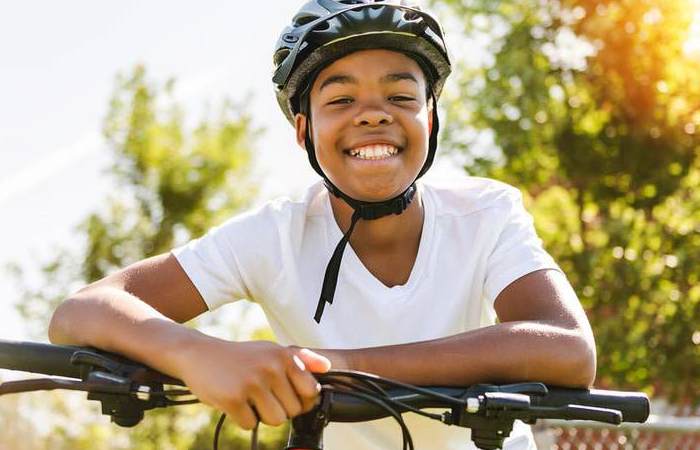
Aerobic exercises improve cardiovascular endurance and lung function. (healthychildren)
Benefits:
- Increased oxygen circulation
- Improved stamina
- Reduced risk of obesity
- Heart health improvement
- Muscle-Strengthening Activities
These activities improve muscular fitness without needing heavy gym equipment.
Examples:
- Planks
- Lunges
- Sit-ups
- Bodyweight squats
- Bone-Strengthening Activities
Bone development is critical during adolescence due to growth spurts.
Advantages:
- Higher bone density
- Reduced fracture risk
- Better posture
- Prevention of osteoporosis later in life
How Young Women Can Live Healthily
This is because you need to develop healthy habits when you are still young, and you would make the succeeding decisions about college, work and relationships with a healthy body and mind. No better time like puberty!
Prepare UP Femenil offers its students various extracurricular activities to exercise regularly and practice their skills as a team. Find out what we can do for your daughter, make an appointment with us.
Weekly Physical Activity Plan for Teenagers
| Day | Activity | Duration |
| Monday | Cycling | 45 min |
| Tuesday | Bodyweight Strength Training | 30 min |
| Wednesday | Running | 40 min |
| Thursday | Yoga or Stretching | 30 min |
| Friday | Team Sports | 60 min |
| Saturday | Swimming | 45 min |
| Sunday | Rest or Walking | 20 min |
Calorie Expenditure by Common Teen Activities
| Activity | Calories Burned (30 min) |
| Running | 240–355 kcal |
| Skipping Rope | 300–450 kcal |
| Cycling | 210–311 kcal |
| Basketball | 220–330 kcal |
| Swimming | 200–350 kcal |
| Walking | 120–178 kcal |
Physical Activity vs Mental Health Outcomes in Teens
Regular exercise is clinically associated with:
- Increased dopamine production
- Reduced cortisol levels
- Better executive functioning
- Improved attention span
- Reduced ADHD symptoms
Teenagers engaging in ≥150 minutes/week of exercise show measurable improvements in cognitive flexibility and emotional regulation. (WHO)
Cost of Physical Activity Programs for Teens (India)
Gym Membership Fees (Teen Friendly)
| Gym Type | Monthly Cost (₹) |
| Local Fitness Centers | ₹800 – ₹1,500 |
| Mid-Range Gyms | ₹1,500 – ₹3,000 |
| Premium Gyms | ₹3,500 – ₹6,000 |
Sports Coaching Fees
| Sport | Monthly Coaching Fee (₹) |
| Cricket | ₹1,000 – ₹3,000 |
| Football | ₹800 – ₹2,500 |
| Swimming | ₹1,500 – ₹4,000 |
| Badminton | ₹1,000 – ₹3,500 |
| Martial Arts | ₹1,200 – ₹3,000 |
Home Workout Equipment Cost
| Equipment | Approx Price (₹) |
| Skipping Rope | ₹150 – ₹400 |
| Resistance Bands | ₹300 – ₹800 |
| Yoga Mat | ₹400 – ₹1,200 |
| Dumbbells (Pair) | ₹700 – ₹2,000 |
| Pull-Up Bar | ₹900 – ₹2,500 |
Digital Fitness Platforms for Teenagers (India)
| App | Monthly Cost (₹) |
| Cure.fit | ₹1,000 – ₹2,000 |
| Cult.fit | ₹1,200 – ₹2,500 |
| Nike Training Club | Free |
Practical Tips for Teens
| Tip | Explanation |
| Choose Activities You Enjoy | Pick sports or exercises you love, such as dance, cycling, or football, so you stay motivated. |
| Set Realistic Goals | Start with small fitness goals and gradually increase intensity and time. |
| Stay Consistent | Try to be active every day, even if it is just walking or stretching. |
| Reduce Screen Time | Limit mobile, gaming, and TV time to make space for physical activity. |
| Join Sports or Clubs | Participate in school or community sports for fun and social interaction. |
| Exercise with Friends | Working out with friends makes activity enjoyable and keeps you motivated. |
| Stay Hydrated | Drink enough water before, during, and after physical activity. |
| Eat Healthy Food | Include fruits, vegetables, protein, and whole grains in your diet. |
| Get Enough Sleep | Proper sleep supports energy, recovery, and growth. |
| Warm Up and Cool Down | Prevent injuries by stretching before and after workouts. |
| Try New Activities | Explore yoga, martial arts, swimming, or outdoor games. |
| Listen to Your Body | Rest when tired and avoid overtraining. |
Conclusion
Physical activity during the teenage years is essential for building a strong foundation for long-term physical health, mental well-being, and academic performance. By incorporating regular exercise into their daily routine, teens can develop healthy habits that support growth, improve focus, and reduce the risk of lifestyle-related health issues. Starting early not only enhances present fitness levels but also promotes a balanced and active lifestyle for the future.