

Improving heart health naturally involves adopting healthy lifestyle habits that support the cardiovascular system and reduce the risk of conditions like Heart Disease and Hypertension.
Table of Contents
How to Improve Heart Health Naturally
| Natural Method | How It Helps the Heart | Simple Tips |
| Regular Physical Activity | Strengthens the heart muscle and improves blood circulation. | Do activities like walking, cycling, or Yoga for at least 30 minutes daily. |
| Healthy Balanced Diet | Provides essential nutrients and helps control cholesterol levels. | Eat fruits, vegetables, whole grains, and healthy fats such as Olive Oil and Avocado. |
| Maintain Healthy Weight | Reduces strain on the heart and lowers the risk of heart diseases. | Follow a balanced diet and exercise regularly to keep a healthy body weight. |
| Reduce Salt Intake | Helps maintain normal blood pressure levels. | Limit processed foods and reduce added salt in meals. |
| Manage Stress | Chronic stress can increase the risk of heart problems. | Practice relaxation techniques like Meditation and deep breathing exercises. |
| Get Enough Sleep | Proper sleep helps regulate blood pressure and heart function. | Aim for 7–8 hours of quality sleep each night. |
| Avoid Smoking | Smoking damages blood vessels and increases heart disease risk. | Quit tobacco and avoid secondhand smoke exposure. |
| Stay Hydrated | Drinking enough water supports proper blood circulation. | Drink plenty of water throughout the day. |
| Regular Health Checkups | Early detection helps prevent serious heart conditions. | Monitor blood pressure, cholesterol, and blood sugar levels regularly to prevent conditions like Heart Disease. |
Exercise
First is our heart is a muscle, and as such how do we take care of our muscles? Naturally we put them through a workout!
It is no secret that people have reiterated severally the fact that exercise is among the most effective methods of remaining healthy. And there is no harm why they should repeat it all the time, exercise is terrific to our heart! A regular regime, every week or even every other day could make an enormous difference!
Cardio exercises are the exercises that are specifically designed to enhance the fitness of the heart. Running, jogging, bicycle riding and even brisk walking is the norm. Otherwise, there exist a plethora of easily-accessible workouts that can be performed at home, in the gym, outdoors or wherever else you choose to become active.
There is no need to feel bad in case you are not used to intense exercise, or you are new to it altogether. You can begin with some small portion of cardio work and raise your limit a little bit higher each day. It will not be easy, however, remember not to overstrain. Naturally, not all people will have the same physical abilities and likes, it is always best to ask a doctor or other healthcare specialist concerning the most effective exercises to do according to your needs and health status.
Improve Your Diet
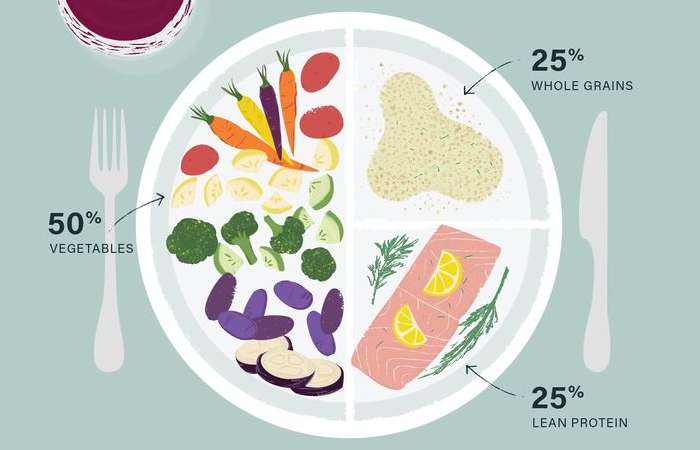
Another commonly repeated tip, besides exercise, is maintaining a healthy diet, and with reason! They are right, we are what we eat and when we eat healthy, we remain healthy!
There is a lot more we can do to change our cardiovascular health with our diet and digestion. To begin with, food supplies us with the majority and perhaps with all our vitamins and minerals. Most of our food when digested adequately is absorbed into our bodies and channeled to our respective body parts hence a proper digestion means a proper nourishment! Besides, mal-absorption may regularly cause numerous other complications, including gastrocardiac syndrome and over-inflammation, among others.
The second action to make a heart healthy diet is to eliminate any bad food which only brings more harm to our body than good. This includes processed, sweet and sodium rich foods. You may not be ready yet to forego your favorite food, but you can begin by cutting back on your consumption of it gradually. Consider twice to order that late night fast food on the nth week of this year!
Reduce Stress
While there’s no surefire way to completely and permanently get rid of stress and anxiety in this day and age (we wish!), there are always ways to reduce its impact!
At first glance, stress can be misconstrued as a purely mental issue, but it can manifest physically as well. The impact of stress on our body can reveal itself in various ways, from brain fog to nausea to indigestion and beyond. For our cardiovascular health in particular, stress can have drastic and sometimes long-lasting effects. It can lead to a higher-than-normal blood pressure and inflammation levels, as well as an increased risk of a stroke or even a heart attack.
| Method | How It Helps | Simple Tip |
| Deep Breathing | Slows the heart rate and relaxes the nervous system. | Take slow, deep breaths for 5–10 minutes daily. |
| Meditation | Improves focus and calms the mind. | Practice Meditation for 10–15 minutes every day. |
| Physical Activity | Exercise releases endorphins that improve mood and reduce stress. | Activities like Yoga, walking, or stretching can help. |
| Proper Sleep | Good sleep helps the body recover from daily stress. | Aim for 7–8 hours of quality sleep each night. |
| Listening to Music | Music can relax the mind and reduce anxiety. | Listen to calm or instrumental music when feeling stressed. |
| Time Management | Planning tasks reduces pressure and mental overload. | Make a daily schedule and prioritize important work. |
| Social Connection | Talking with friends or family helps relieve emotional stress. | Spend time with supportive people regularly. |
| Hobbies and Relaxation | Enjoyable activities refresh the mind. | Engage in hobbies like reading, gardening, or drawing. |
Improve Sleep

In relation to stress, it’s important to get a good night’s sleep too! It’s usually recommended that adults to get at least eight hours of sleep every day.
Not only is it important to relax and replenish your supply of energy at the end of the day, but studies have shown that sleep and heart health are closely connected to each other.
Going to sleep, the body automatically rests itself to be ready to another new day. Spending too much time awake, particularly beyond your normal sleeping schedule, does not provide the body with an opportunity to have a rest. This also encompasses our blood pressure whereby it decreases when we are resting. The constant elevation of the blood pressure levels might cause other health hazards, such as heart attacks and other heart diseases.
Otherwise, sleep deprivation might also result in an increased risk of acquiring a disease related to increased blood sugar, cholesterol, and inflammations which are caused by lack of sleep. In addition, insomnia only serves to make you feel slow and sleepy, which may have an impact on your day-time performance and mood.
Reduce Inflammation
| Method | How It Helps | Simple Tip |
| Eat Anti-Inflammatory Foods | Certain foods help reduce inflammation in the body. | Include foods like Turmeric, Ginger, berries, and leafy greens in your diet. |
| Regular Exercise | Physical activity helps lower inflammatory markers and improves circulation. | Do moderate activities like walking, cycling, or Yoga for 30 minutes daily. |
| Maintain a Healthy Weight | Excess body fat can increase inflammation in the body. | Follow a balanced diet and stay active to maintain a healthy weight. |
| Get Enough Sleep | Quality sleep supports the immune system and reduces inflammation. | Aim for 7–8 hours of sleep each night. |
| Reduce Sugar and Processed Foods | High sugar and processed foods can trigger inflammation. | Limit sugary drinks, packaged snacks, and fast food. |
| Stay Hydrated | Drinking enough water helps flush toxins and supports body functions. | Drink plenty of water throughout the day. |
| Manage Stress | Chronic stress can increase inflammatory responses. | Practice relaxation techniques like Meditation or deep breathing. |
| Quit Smoking | Smoking can increase inflammation and damage body tissues. | Avoid tobacco products and secondhand smoke exposure. |
Quit The Bad Habits
This might be a bitter pill to take but we mean it! Where and when you have the opportunity, give up the bad habits that you are sure are harmful and attempt to resist the temptation to take them up once more.
It is quite nice to have a drink here and there but do not get excessively intoxicated! Smoking also may be relaxing to others, however not only is it not good to our lungs and our health in general, but you may also be the cause of other people getting into trouble by smoking your cigarette. Any kind of addiction, lack of sleep, laxity in exercise, and unhealthy eating are other bad habits.
Unhealthy habits, particularly the ones that one has grown popular with, are a long process to drop. However, long-term effects of excessive indulgence in these behaviors are more difficult to eliminate and require a long time before they can be reversed. You will be glad to do so later, trust us! (American Heart Association)
What to Eat for Better Heart Health
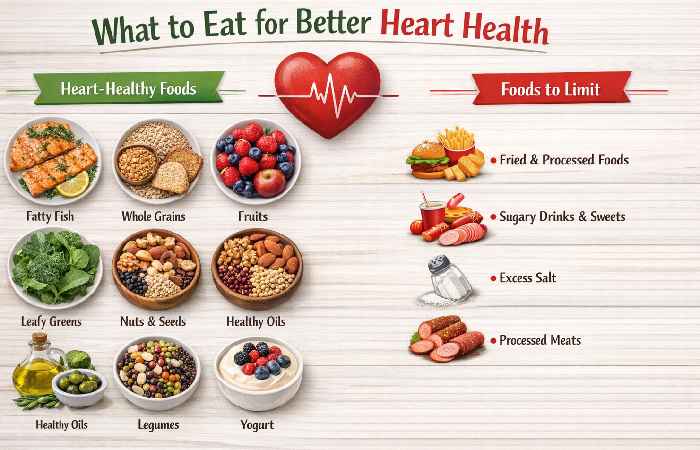
Eating the right foods can help protect your heart, lower cholesterol, and reduce the risk of conditions like Heart Disease and High Cholesterol.
Heart-Healthy Foods to Include
| Food | How It Helps the Heart | How to Eat |
| Fatty Fish | Rich in omega-3 fatty acids that help lower triglycerides and inflammation. | Eat fish like Salmon or Mackerel 2–3 times per week. |
| Whole Grains | High in fiber which helps lower cholesterol levels. | Include Oats, brown rice, and whole-grain bread in meals. |
| Fruits | Provide antioxidants that protect the heart. | Eat berries, oranges, and Apple daily. |
| Leafy Green Vegetables | Rich in vitamins and minerals that support heart health. | Add spinach, kale, and salads to meals. |
| Nuts and Seeds | Contain healthy fats, fiber, and magnesium. | Eat small portions of Almond, walnuts, or chia seeds as snacks. |
| Healthy Oils | Help reduce bad cholesterol (LDL). | Use Olive Oil instead of butter for cooking. |
| Legumes | High in plant protein and fiber which help control cholesterol. | Include lentils, beans, and chickpeas in your diet. |
| Yogurt | Contains probiotics that support overall health. | Eat plain Yogurt with fruits or nuts. |
Monitor Triglycerides and Balance Blood Sugar
It is impossible to talk about the state of heart health without referring to several scientific terms. One of the lipids or a waxy fat that is present in our blood is called triglyceride. The calories which we do not consume immediately are processed to triglycerides by our body and kept in the blood as a back-up source of energy. Nevertheless, the accumulation of these triglycerides in our blood predisposes us to heart disease and strokes, excess levels of blood sugar and cholesterol.
In case you are not sure about the level of triglyceride and blood sugar, you should remember to examine them with your physician or a reliable medical worker. A simple blood test can help them to ascertain these levels. Along with healthy diet, physical activities, avoiding sugar and alcohol, and keeping weight in control, the cholesterol supplements are an excellent option to keep the balance between the triglycerides levels and the cholesterol levels.
Check blood levels regularly – Routine blood tests help monitor triglyceride and glucose levels and detect early risks of conditions like Diabetes and Hypertriglyceridemia.
Limit sugar and refined carbohydrates – Reducing sweets, sugary drinks, and white bread can help maintain stable blood sugar levels.
Choose healthy fats – Include heart-healthy fats such as Olive Oil, nuts, and seeds to support balanced triglyceride levels.
Eat more fiber-rich foods – Foods like whole grains, vegetables, fruits, and legumes help regulate blood sugar and improve digestion.
Exercise regularly – Physical activities such as walking, cycling, or Yoga help lower triglycerides and improve insulin sensitivity.
Maintain a healthy body weight – Losing excess weight can significantly reduce triglyceride levels and stabilize blood sugar.
Avoid excessive alcohol consumption – High alcohol intake can raise triglyceride levels and affect blood sugar balance.
Stay hydrated and eat balanced meals – Drinking enough water and eating meals with a mix of protein, healthy fats, and carbohydrates helps maintain steady energy levels.
Cost Summary: Natural Heart Health Plan (Monthly Estimate)
| Category | Estimated Range |
| Healthy groceries | $100–$250 |
| Supplements | $30–$120 |
| Fitness (gym/home setup) | $0–$80 |
| Lab tests (annual average/month) | $5–$15 |
Total average monthly investment: $135–$465
Laboratory Tests & Biomarker Monitoring
| Test / Screening | Typical Global Price Range (USD) | Notes |
| Lipid Profile (Cholesterol, LDL, HDL, Triglycerides) | $15 – $80 | Standard cardiovascular risk panel |
| Fasting Blood Glucose | $5 – $30 | Often bundled with lipid tests |
| HbA1c (3-month glucose average) | $10 – $50 | Important for blood sugar control |
| High-sensitivity CRP (Inflammation) | $15 – $60 | Marker of cardiovascular inflammation |
| Blood Pressure Monitor (Home) | $25 – $90 | One-time purchase |
| EKG (Electrocardiogram) | $30 – $150 | Basic heart rhythm assessment |
Natural Supplements for Heart Health
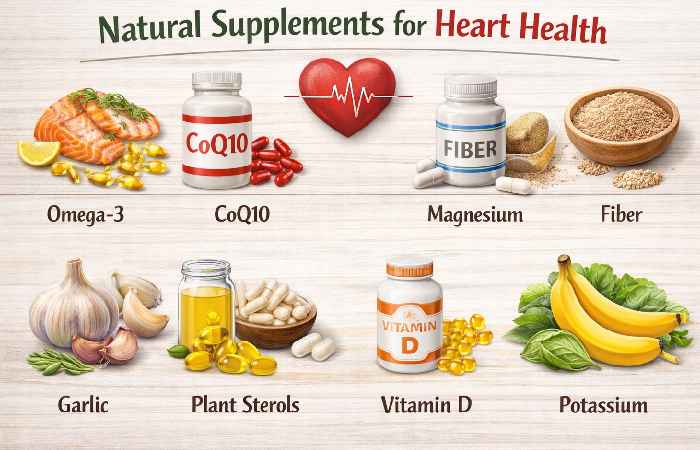
| Supplement | Evidence Strength | Monthly Cost |
| Omega-3 | Strong | $10–$35 |
| CoQ10 | Moderate | $20–$50 |
| Plant sterols | Moderate | $15–$40 |
| Magnesium | Moderate | $12–$30 |
| Garlic extract | Mild | $8–$25 |
Consult a physician before combining supplements with prescription medications. (National Sleep Foundation)
Lipid & Blood Sugar Monitoring
Recommended annual tests:
| Test | Optimal Range |
| Total Cholesterol | <200 mg/dL |
| LDL | <100 mg/dL |
| HDL | >40 (men), >50 (women) |
| Triglycerides | <150 mg/dL |
| HbA1c | <5.7% |
Global Lab Cost:
- Lipid profile: $15–$80
- HbA1c: $10–$50
Conclusion
Like we said earlier, our heart is muscle and, like most muscles, it needs a good workout to stay in good shape. Keeping up with our cardiovascular health is more than just preventing possible health risks. It’s also about making sure that our heart gets all the best nourishment and support it needs to keep it functioning well and in peak condition. And with just the right amount of time and effort, you could strengthen and protect your heart even more! These lifestyle strategies and nourishing supplements can help you achieve maximum heart health for years to come!
Still feeling unsure, or need more advice? Try checking with a medical professional or shop at your local health and nutrition store to find out what will work greatest for you!
