
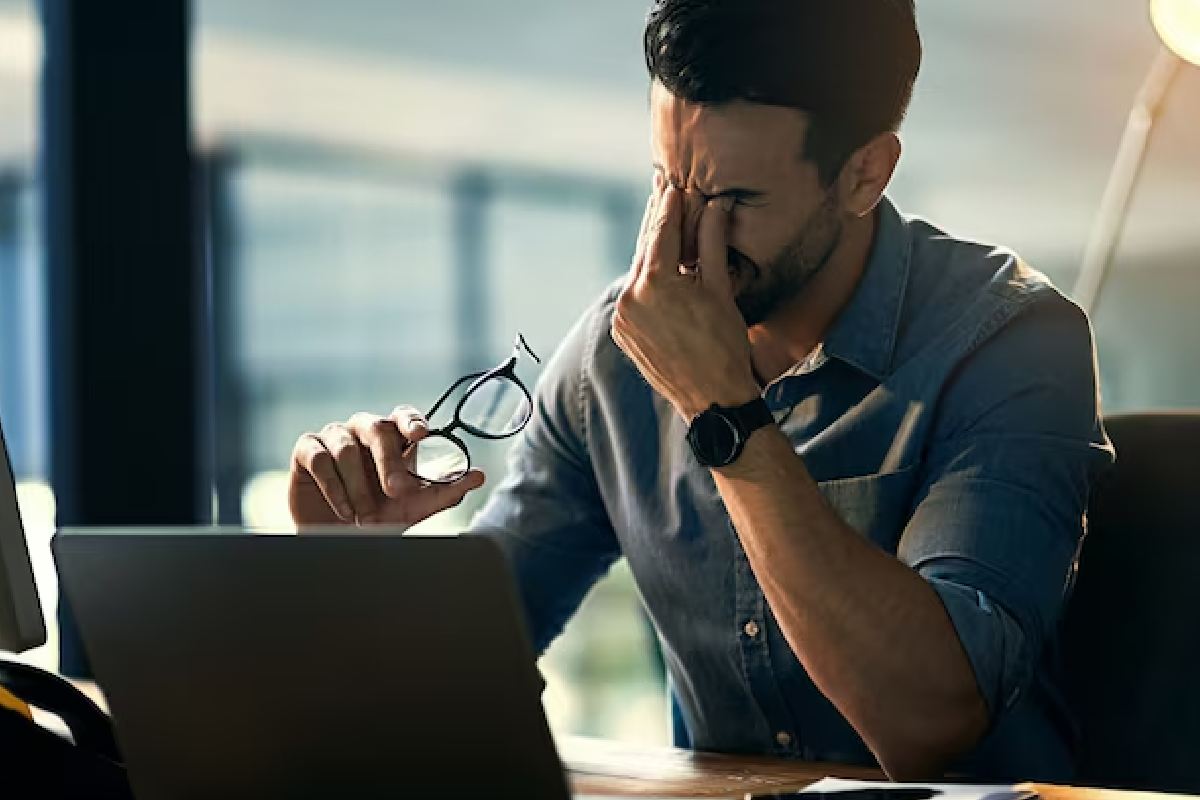
Reduce Stress And Anxiety
The issue of stress and anxiety has accompanied life in every small and big life situation or crisis. Despite the fact that the situation cannot be controlled, we are capable of voluntary response to external stimuli. In cases where the stress, anxiety, or depression turns to be chronic, it finally controls our well-being. As such, we need to possess good stress relievers and command of our emotions that relax us and cause mental calmness.
As far as stress, depression, or anxiety is concerned, what works with one person may not work with another having the same problem. This reprieve is different to each individual and is flexible in numerous aspects. Registered massage therapists can also be effective and useful. Stress relief tools must be available in our disposal to assist in the elimination of stressful life.
Table of Contents
Understanding Stress vs Anxiety
Stress and anxiety are more often used interchangeably, yet they are different psychological conditions:
- Stress is normally a reaction of some outside factor (work pressure, deadlines, conflict).
- Anxiety is more internalized, relentless and can take place not necessarily due to any distinct trigger.
From a neurobiological standpoint:
- Stress activates the hypothalamic-pituitary-adrenal (HPA) axis, increasing cortisol levels.
- Chronic anxiety involves dysregulation in neurotransmitters like serotonin, dopamine, and GABA.
Prolonged exposure can lead to:
- Insomnia
- Hypertension
- Digestive disorders
- Reduced cognitive function
Root Causes of Chronic Stress and Anxiety
Understanding the cause is critical for effective management:
Psychological Causes
- Perfectionism
- Overthinking and rumination
- Fear of uncertainty
- Low self-esteem
Lifestyle-Related Causes
- Sleep deprivation
- Excessive caffeine intake
- Sedentary behavior
- Digital overload (social media, constant notifications)
Environmental Factors
- Workplace toxicity
- Financial instability
- Relationship conflicts
- Urban lifestyle (noise, pollution)
Practical Stress Relief Techniques for Immediate Calm
Your stress, depression or anxiety can be overcome in two ways, and these include:
Short-Term Stress Relief Strategies:

Short-term stress relief strategies are free to apply, provide immediate relief, and can be performed anywhere with very little practice to master; like
Guided Imagery:
It is the imagery of imagining self in a happy place that helps reduce stress, at least for a shorter period—in a happy place. At the beach, feeling the warmth of sand or listening to the waves help in the soothing of mind by closing eyes for a moment, imagining or feeling self through the peaceful scene to be there in it. After a while, open your eyes and return to the present moment.
Meditation:
Meditation helps in short-term stress relief, including many types of meditation that each helps uniquely. Paying attention to what we see, hear, touch, smell, and taste. Meditation makes a considerable difference in overall stress level as soon as it returns to the present. And being focused on one thing helps one forget about worries, at least for a shorter period.
Focus On Breathing:
Breathing is a key that helps in stress relief by taking long deep breaths that help in calming the brain and body. Breathe through your nostrils and imagine you inhaling fresh, calm, peaceful air spreading throughout your body. While imagine exhaling helps in taking out stress and anxiety.
Take A Walk:
Walking helps relieve stress by imagining self in scenic beauty, and it is also easy to cope with as an exercise. Walking is a very effective and fantastic way that helps in relieving the mind and body.
Fast-acting Stress Relief Strategies:
Fast stress relieving strategy helps even at home, an easy and expeditious way that helps one relax faster. These strategies can give you some immediate relief from your tensions.
Getting A Hug From A Loved One:
Physical touch does alot in depressed moments. Feeling like someone is there for us adds to a new life and courage to beat the anxiety. While hugging, oxytocin hormone ( associated with lower levels of stress and higher levels of happiness) is released, which helps in reducing the stress hormone norepinephrine.
Eat A Balanced Diet:
Healthy food makes an individual fresh both mentally and physically. Reaching a high-fat level because of emotional eating and a higher sugar intake ruins one in many ways. They may give temporary happiness but takes away permanent satisfaction and later adds to long-term stress. Healthy food consumption helps in a happy and satisfied life in many ways, where stress does not exist.
Express Gratitude:
By being thankful for the things, one feels happy for enjoying the resources or anything. Able to own a home or reach at workplace safely, anything and everything adds to it. Being grateful adds to a joyful life and better mental health.
Make Exercise A Habit:
Nothing adds much to psychological and physical happiness as exercise does. It helps in feeling fresh, energetic, and able to cope with anything with many activities that helps in reducing stress. These many activities include strength training, hiking, walking, gym, etc., which helps release tension.
Cut Out Things That Adds To Stress:
The best way to get rid of tensions and anxiety is to cut off everything that adds to stress in your life. All the negativity and toxicity that can be people, news, and drugs are just a few things that will automatically add to your peace once cut down.
Evidence-Based Long-Term Stress Management Techniques
Cognitive Behavioral Therapy (CBT)
CBT is one of the most clinically validated approaches for anxiety reduction. It focuses on:
- Identifying negative thought patterns
- Reframing cognitive distortions
- Behavioral modification
Effectiveness: Studies show 60–80% improvement in anxiety disorders. (sleepfoundation)
Average Cost (India):
- ₹800 – ₹2,500 per session
Sleep Optimization (Circadian Regulation)
Sleep plays a central role in emotional regulation.
Best Practices:
- Maintain a fixed sleep schedule
- Avoid screens 60 minutes before bed
- Keep room temperature between 18–22°C
Impact:
- Reduces cortisol levels
- Improves emotional resilience
- Enhances cognitive clarity
Nutrition for Mental Health
Certain nutrients directly influence brain chemistry:
| Nutrient | Function | Food Sources |
| Magnesium | Calms nervous system | Spinach, almonds |
| Omega-3 Fatty Acids | Reduces inflammation | Fish, walnuts |
| Vitamin B Complex | Supports neurotransmitters | Eggs, whole grains |
| Probiotics | Gut-brain axis regulation | Yogurt, fermented foods |
Supplement Cost (India):
- Magnesium: ₹300–₹800/month
- Omega-3: ₹500–₹1,200/month
Digital Detox and Dopamine Reset
Constant stimulation from devices increases baseline anxiety.
Recommended Approach:
- No-phone mornings (first 30–60 minutes)
- Scheduled social media usage
- One “low-stimulation day” per week
Benefits:
- Restores attention span
- Reduces comparison-driven stress
- Improves mood stability
Professional Treatments for Severe Anxiety
Therapy Options
| Therapy Type | Purpose | Cost (India) |
| CBT | Thought restructuring | ₹800–₹2,500/session |
| Psychodynamic Therapy | Deep emotional exploration | ₹1,500–₹4,000/session |
| Mindfulness-Based Therapy | Present-moment awareness | ₹1,000–₹3,000/session |
Medication (When Required)
Prescribed by psychiatrists:
- SSRIs (Selective Serotonin Reuptake Inhibitors)
- Benzodiazepines (short-term use only)
Monthly Cost (India):
- ₹200 – ₹1,500 depending on medication
Role of Physical Therapies in Stress Reduction
Massage Therapy
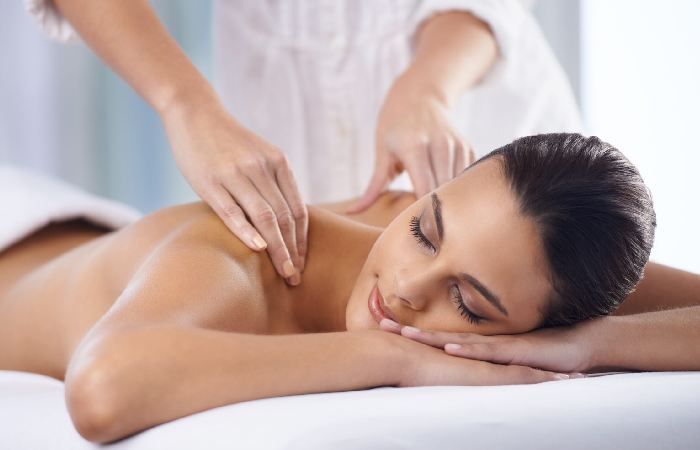
Massage helps reduce cortisol and increase serotonin.
Types:
- Swedish Massage
- Deep Tissue Massage
- Aromatherapy Massage
Average Price (India):
- ₹1,000 – ₹3,500 per session
Yoga and Mind-Body Practices
Yoga integrates breathing, movement, and mindfulness.
Popular Forms:
- Hatha Yoga (beginners)
- Vinyasa Yoga (flow-based)
- Restorative Yoga (stress-focused)
Cost:
- Online classes: ₹500–₹2,000/month
- Studio classes: ₹2,000–₹6,000/month
Workplace Stress Management Strategies
Time Structuring Techniques
- Pomodoro Technique (25-min work cycles)
- Task batching
- Priority matrix (urgent vs important)
Boundary Setting
- Define work hours clearly
- Avoid after-hours communication
- Learn to say “no” strategically
Organizational Support
- Employee Assistance Programs (EAPs)
- Mental health days
- Flexible work schedules
Social and Emotional Coping Mechanisms
Building Emotional Resilience
- Accept uncertainty
- Practice self-compassion
- Develop problem-solving skills
Support Systems
- Friends and family
- Support groups
- Online communities
Journaling Techniques
- Gratitude journaling
- Thought dumping
- Trigger tracking (Healthline)
Natural Remedies and Alternative Approaches
Herbal Adaptogens
| Herb | Benefit | Cost (India) |
| Ashwagandha | Reduces cortisol | ₹300–₹700 |
| Brahmi | Improves cognitive function | ₹250–₹600 |
| Chamomile | Promotes relaxation | ₹200–₹500 |
Aromatherapy
Essential oils influence the limbic system.
Popular Oils:
- Lavender (calming)
- Peppermint (energizing)
- Sandalwood (grounding)
Price Range:
- ₹300 – ₹1,500 per bottle
Warning Signs You Should Not Ignore
Seek professional help if you experience:
- Persistent panic attacks
- Difficulty functioning daily
- Suicidal thoughts
- Severe sleep disturbances
- Chronic fatigue
Preventive Lifestyle Framework
A structured daily system to minimize stress:
Morning
- Sunlight exposure
- Light exercise
- No digital distractions
Midday
- Balanced meals
- Short breaks
Evening
- Relaxation routine
- Low stimulation activities
Night
- Sleep hygiene practices
Conclusion
In a nutshell, we can say that all the factors are essential elements that help reduce stress and anxiety, which are the leading causes of depression. For this purpose registered massage therapists are also advised for better results. These factors are a few changes to your daily habits that could be instrumental in helping you feel better than ever. All these strategies give one some immediate relief from their tensions.
